Met Police to Reduce Enforcement of Minor Tag Breaches: Pilot Until Spring, 100 Breaches a Day and the Early Release Row
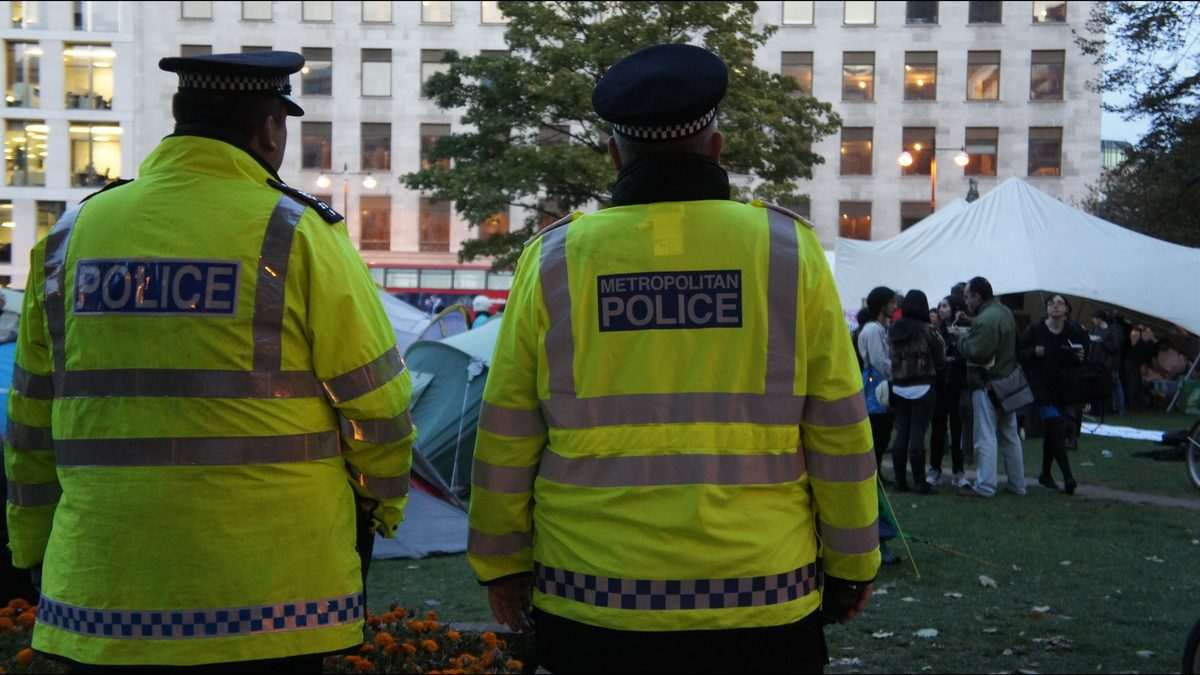
Photo: James Mitchell, via Wikimedia Commons (CC BY-SA 2.0) — Metropolitan Police officers on duty in London (file photo)
Fifteen minutes late home. A cigarette outside the front door. A tag battery that died before the night did. Under a new Metropolitan Police pilot, officers in London will no longer rush out to chase them — and the decision has started exactly the row you would expect.
According to Sky News, which first reported the move on 24 October, the Met is reducing enforcement of minor tag breaches under a pilot running until the spring. Officers will not act on curfew breaches or tag batteries of under an hour, unless the wearer is a particular risk to the public. Alerts will still be reviewed, but will only lead to arrest where there are risk or safeguarding concerns. High-risk offenders come first.
Met Police tag breaches pilot: what officers will stop chasing
The Met's explanation is blunt. A spokesperson told Sky News the force is working with partners to find the most appropriate penalty for cases where breaches previously led nowhere in court, so police time can go where it has the greatest impact. The spokesperson added: "Where offenders have briefly stepped outside for a cigarette, or police are notified 19 hours later that they were 15 minutes late returning home, tying up several officers for hours is not the best use of resources."
Commissioner Sir Mark Rowley has said his officers are policing over 100 tag breaches a day in London, while the force arrests two or three early-release prisoners a week who are recalled because of further offending. The pilot is expected to cut breaches needing police action by more than 15%. One sergeant out with a south London unit told Sky News there are not enough cops to manage the early release of thousands of offenders.
Not every ping means what it looks like. Some breaches have an innocent explanation — a hospital trip, or stepping just outside the property line. At other times the system lags, so police hear about a breach long after it happened.
The "zero sanction" row behind the pilot
This pilot follows weeks of warnings from Rowley about what happens after an arrest. Speaking to LBC, as reported by The Sun, he said he was worried about offenders being released into communities, and that more than 95% of tagging breaches his officers arrest are simply bailed back on the same conditions — "zero sanction". The Times has independently reported the same figures.
The Times also reported a case that has become shorthand for the concern: a prolific shoplifter freed under the scheme went on a spree within a day and was sent back to jail. That is why the pilot is read two opposite ways — as sensible triage, or as a sign the system cannot enforce its own conditions.
Enjoyed this guide?
Britain Daily is an independent publication. Every guide is researched, written and carefully edited, and kept free forever. If this saved you time or made your life easier, please don't let the effort go unnoticed — support our work with whatever you can, from $1 upward. Every dollar keeps the guides coming.
💛 Donate via PayPalHow early release and electronic tagging actually work
Early release has been used for years to manage prison overcrowding. Under the current rules reported by Sky News, serious criminals can be released halfway through their sentences, rather than at two-thirds under the old rules, while less serious offenders can be freed after a third. Offenders then serve the rest under licence and wear tags, also used for bail and awaiting trial.
The Times has reported that nearly 5,000 prisoners are set to be freed early in stages over the next year under the Sentencing Act 2026. The Sun adds an awkward detail: Justice Secretary Alex Norris was recently unable to say how many freed criminals had actually been tagged, despite a presumption of tagging.
What the government says about the Met Police pilot
The government has pushed back hard on any suggestion that public safety is being traded away. In its response carried by Sky News, it said that after inheriting a prison system "on the brink of collapse", failing to act would have forced police "to halt arrests, putting communities at untold risk". A spokesperson added: "We will never jeopardise public safety. To manage offenders out on licence, we are rolling out the toughest-ever controls, including world-first restriction zones, the largest expansion of electronic tagging, and giving victims a say in licence conditions."
Ministers also point to thousands more neighbourhood officers, police funding of £18.5 billion, and record probation investment. That is the government's side of the ledger — but it sits uneasily next to the Met's account of officers drowning in low-level alerts.
So is this pilot a quiet admission of defeat, or an honest attempt to aim police time where it counts? My reading is that it is a bit of both. But a pilot that only works if the public trusts the risk calls behind it needs to show its homework when spring comes: how many breaches were set aside, and whether the saving turned into safer streets.
Sources
Sky News report on the Met Police pilot (syndicated via Radio X, updated 25 October 2026): Police to reduce enforcement of minor tag breaches, Sky News understands. The Sun on Sir Mark Rowley's LBC warning: Most freed lags who breach their electronic tag are let off with no punishment. The Times on early release and tag breaches: Early release prisoner goes on crime spree after leaving jail.
Video note: no YouTube video on this specific story from a reputable outlet could be verified via the YouTube oEmbed endpoint at the time of writing — Sky News's video for this report is published as a direct video file, not a YouTube embed — so no video is embedded here rather than risk an unverified or off-topic clip.
Enjoyed this guide?
Britain Daily is an independent publication. Every guide is researched, written and carefully edited, and kept free forever. If this saved you time or made your life easier, please don't let the effort go unnoticed — support our work with whatever you can, from $1 upward. Every dollar keeps the guides coming.
💛 Donate via PayPal