Antisemitism in England's Schools: 3 in 5 Jewish Pupils Affected, Bell Report Finds
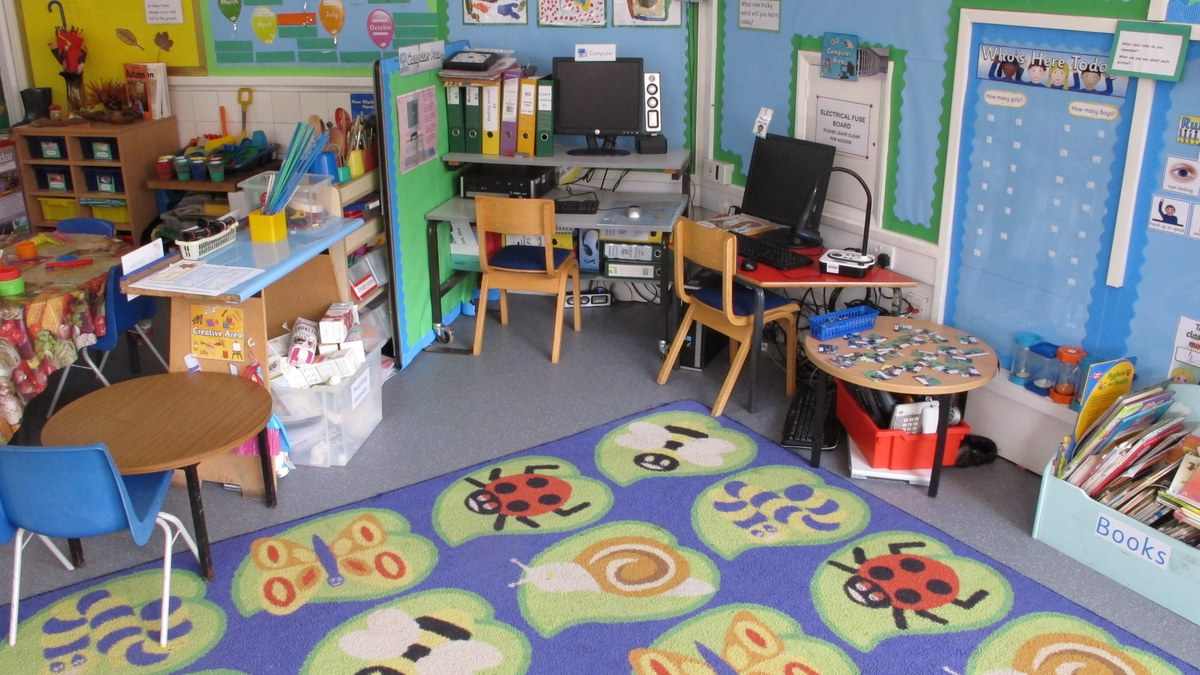
Photo: a classroom in an English primary school. Image: Geograph Britain and Ireland — CC BY-SA 2.0, via Wikimedia Commons.
One boy told a government review that tackling the abuse he faced at school was left to him, aged twelve, alone. "The burden was left on me as a 12-year-old." It is a sentence that lands like a punch — and it is why Wednesday's publication of a landmark review into antisemitism in English schools and colleges matters far beyond Westminster's usual education rows. The numbers behind it are stark: one in five pupils said they had witnessed antisemitism, three in five Jewish students said they had experienced it, and fewer than half believed reporting it would change anything.
The review, led by Sir David Bell — the former chief inspector of Ofsted — was commissioned by the government and is being published on Wednesday with 27 recommendations for change. Sky News revealed its contents in an exclusive interview with Bell, and ministers are expected to accept every single recommendation in full. That is rare. Education reviews usually get the nod for half their ideas and a polite burial for the rest.
Antisemitism in schools: what the Bell report found
Bell's most damning finding is not the scale of the problem — though that is bad enough — but how thoroughly it has gone unseen. Cases of antisemitism, he told Sky News, routinely go unreported or unchallenged by students and teachers alike. "I think what this review has demonstrated is that a general commitment to tackling racism or prejudice or hate has not properly identified antisemitism as a particular kind of hate," he said. "We do need to name antisemitism as a particular kind of prejudice and hate, because I think if you don't name it, you don't actually know what you're tackling."
That naming point is the review's central theme, and it is the one most likely to spark argument. A generic anti-racism policy, Bell argues, has repeatedly failed to catch behaviour that everyone involved could see and name. Jewish pupils, in particular, have been let down: three in five have been affected by antisemitism, yet less than half felt confident that reporting an incident would lead to anything being done.
Bell spoke to Jonathan Frisher, who was the only Jewish student at his school; the abuse he suffered drove him to campaign for a tougher approach.
Enjoyed this guide?
Britain Daily is an independent publication. Every guide is researched, written and carefully edited, and kept free forever. If this saved you time or made your life easier, please don't let the effort go unnoticed — support our work with whatever you can, from $1 upward. Every dollar keeps the guides coming.
💛 Donate via PayPalThe 27 recommendations: training, hotlines and honest lessons
The heart of the report is practical, not philosophical. Schools and colleges would get dedicated teacher training in antisemitism awareness — including training in the IHRA working definition, the internationally used benchmark with its 11 examples of what antisemitism looks like in practice. There would be resources for tackling antisemitism built into the curriculum, and a national hotline where school leaders can get quick advice when incidents flare up.
Schools would be expected to adopt explicit policies against antisemitism rather than folding it into wider behaviour codes, with better reporting mechanisms for pupils and staff. Media literacy lessons would teach pupils to spot and challenge online antisemitism and conspiracy theories — the route by which much of the hatred now reaches children long before it appears in a classroom.
Bell also wants stronger guidance on political impartiality, so pupils can debate "topical and difficult issues" without feeling teachers are imposing their own views — an acknowledgement that Gaza and the wider Middle East have made classrooms into battlegrounds for imported arguments. Holocaust education, the report says, should present antisemitism as a central and explicit element of the atrocity, while religious education should teach modern-day Judaism properly, with synagogue visits and Holocaust Memorial Day given real weight. Ofsted and the Independent Schools Inspectorate would hold schools to account for all of it.
Why now — and what success would actually look like
The review was launched after a flashpoint that embarrassed the government: a Jewish MP, Damien Egan, was stopped from speaking to pupils at Bristol Brunel Academy when his planned talk was cancelled. That incident made the abstract question of what schools teach about Jews and antisemitism into a front-page row. Bell's report is the answer — and its timing, landing in a week when Britain's Jewish community has been shaken by the fallout from the Manchester synagogue attack and its public inquiry, gives it a weight few education documents ever carry.
The interesting bit of Bell's plan is the unglamorous infrastructure: training, reporting lines, a hotline, Ofsted checks. None of that is photogenic. All of it is what changes whether a twelve-year-old is left to carry the burden alone, or finds adults in the building who know exactly what to do. That is the measure this report will be judged on — not how many recommendations ministers accept on day one, but whether a Jewish child in an English school feels safer in a year's time.
Sources
- Sky News (via Classic FM) — "Report set to reveal vast scale of antisemitism in English schools" (20 October 2026)
- KMFM (Sky News) — "Report set to reveal vast scale of antisemitism in English schools" (October 2026)
- Sky News — "Report set to reveal vast scale of antisemitism in English schools" (October 2026)
Enjoyed this guide?
Britain Daily is an independent publication. Every guide is researched, written and carefully edited, and kept free forever. If this saved you time or made your life easier, please don't let the effort go unnoticed — support our work with whatever you can, from $1 upward. Every dollar keeps the guides coming.
💛 Donate via PayPal