Judge orders Trump to answer questions under oath in $10bn BBC lawsuit — deadline 11 December
A sitting US president being quizzed under oath by British lawyers. It sounds like a scriptwriter got carried away, but a Miami courtroom just made it a legal deadline: Donald Trump must sit for a deposition in his $10 billion defamation case against the BBC by 11 December — or risk seeing the whole case thrown out.
US Magistrate Judge Enjoliqué Lett issued the order from the bench on Thursday, 22 October, after the BBC's legal team accused Trump's side of running down the clock. The corporation's lawyer, Charles Tobin, told the court they had been trying to get a date since July: "we still haven't been able to depose the plaintiff."
Trump BBC lawsuit: what the judge ordered
The order is blunt. Trump must sit by 11 December or face sanctions up to and including dismissal of the case — unless the discovery window, currently closing on 18 December, is extended.
The judge also rejected Trump's bid to block video recording of the deposition — though only the case lawyers will see the footage.
There had been a date — 16 October. Then Trump's lawyers cancelled, citing "matters of national importance" including the Iran conflict, Middle East unrest and the Ukraine war. A president, they argued, should not be treated like an ordinary litigant.
The BBC's response was not polite. Tobin told the judge that on 16 October Trump had in fact been campaigning in Georgia. "He was participating in party politics and prioritised that over sitting for the deposition," Tobin said. His team later proposed January — after the discovery deadline — which the BBC rejected outright.
Why the deposition matters in this defamation case
Trump sued the BBC in a Florida federal court in December 2025. He alleges that a 2024 episode of Panorama — Trump: A Second Chance? — spliced together two separate sections of his 6 January 2021 speech to make it look as though he directly called for violence before supporters stormed the US Capitol.
The edit joined his line "we're going to walk down to the Capitol … and I'll be there with you" with a much later passage: "And we fight, we fight like hell." It aired just over a week before the 2024 US election.
Enjoyed this guide?
Britain Daily is an independent publication. Every guide is researched, written and carefully edited, and kept free forever. If this saved you time or made your life easier, please don't let the effort go unnoticed — support our work with whatever you can, from $1 upward. Every dollar keeps the guides coming.
💛 Donate via PayPalHere is where the case gets uncomfortable for the BBC. The corporation has admitted the edit was misleading. It published a retraction and apologised, conceding the splicing gave "the mistaken impression that President Trump had made a direct call for violent action." But it denies defamation — and has asked the court to dismiss the case, arguing the documentary was produced in London, never aired in the US, and Trump has not shown intent to create a false impression.
The BBC's counterattack: Mar-a-Lago records and missing documents
This is not one-sided. The BBC has used discovery to go after Trump's finances, seeking Mar-a-Lago club records and the web of business entities around him. The argument: if Trump wants $10 billion, he has to show $10 billion of damage, and that requires paperwork.
Trump's lawyers call the requests too broad and irrelevant. The judge disagreed in part — backing the Mar-a-Lago membership subpoena and telling Trump's personal attorneys she doubted their document searches had been thorough. "I tend to agree with the defendant that it strains credulity," she said, in what must have been an awkward moment for the president's team.
This is one of several lawsuits Trump has filed personally against news organisations — part of what the Associated Press describes as a wider pressure campaign against coverage he dislikes. But suing cuts both ways. As the judge put it: "Engaging in discovery is burdensome, but is a burden we undertake, especially if we file a lawsuit."
What happens next in the Trump v BBC trial
The countdown is real. Deposition by 11 December, discovery closes on 18 December. Both dates could move — the judge and both parties acknowledged a possible extension — but for now Trump has a hard deadline to do what he has spent months avoiding: sit down, swear an oath, and let the BBC's lawyers ask him anything.
For British viewers it is a strange spectacle: the licence-fee-funded BBC, currently cutting jobs to save £500 million, locked in the highest-stakes legal fight in its history — against a sitting US president, in a Florida court, over an edit it has already apologised for. The next seven weeks will decide whether Trump's claim survives his own reluctance to testify.
Sources
- Trump ordered to sit for deposition in his $10 billion BBC lawsuit, AP reports — Reuters
- Judge orders Trump to sit for deposition in $10bn BBC lawsuit — The Times
- Judge insists Trump must be deposed in his $10B lawsuit against the BBC — CNN
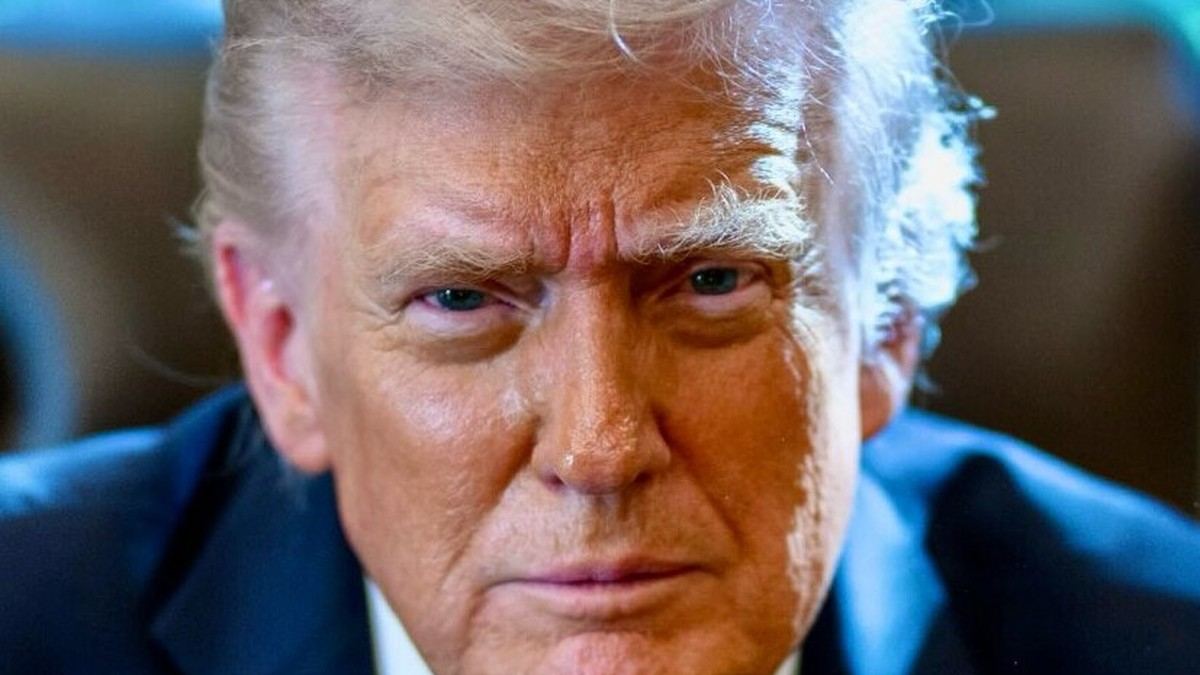
Photo: official June 2026 White House portrait of Donald Trump by Daniel Torok, public domain, via Wikimedia Commons.
Enjoyed this guide?
Britain Daily is an independent publication. Every guide is researched, written and carefully edited, and kept free forever. If this saved you time or made your life easier, please don't let the effort go unnoticed — support our work with whatever you can, from $1 upward. Every dollar keeps the guides coming.
💛 Donate via PayPal