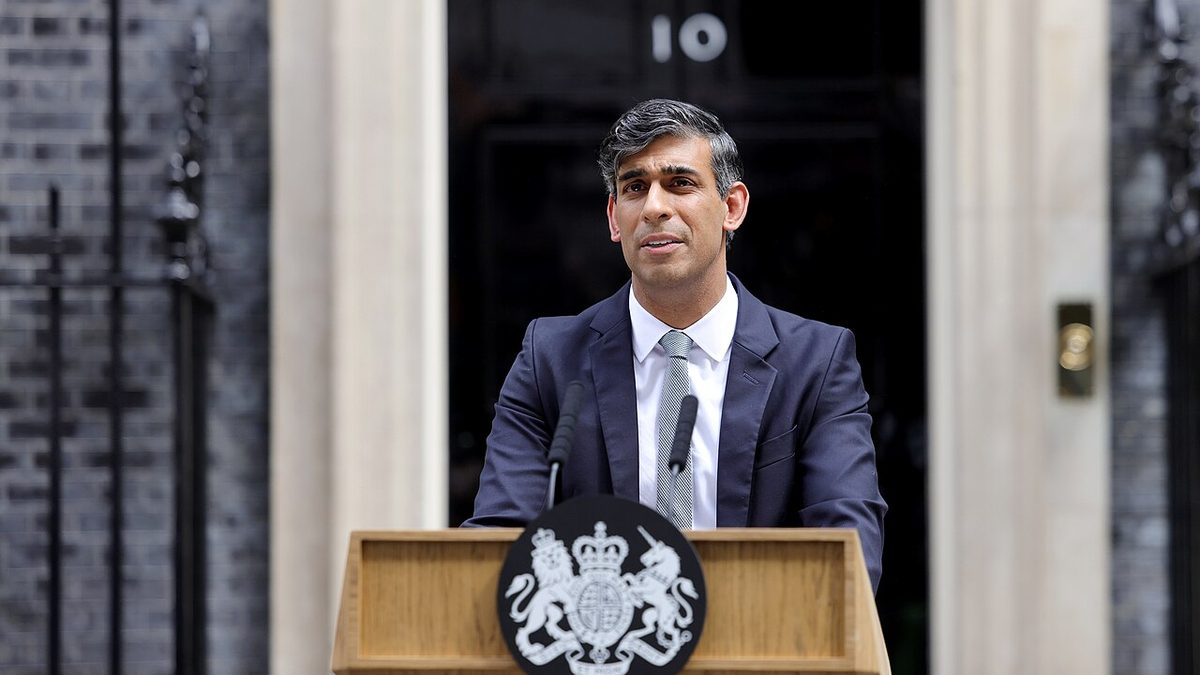
Army Chief Warns Britain: 'Frank Conversation' on War Coming — Roly Walker's Catterick Warning Explained
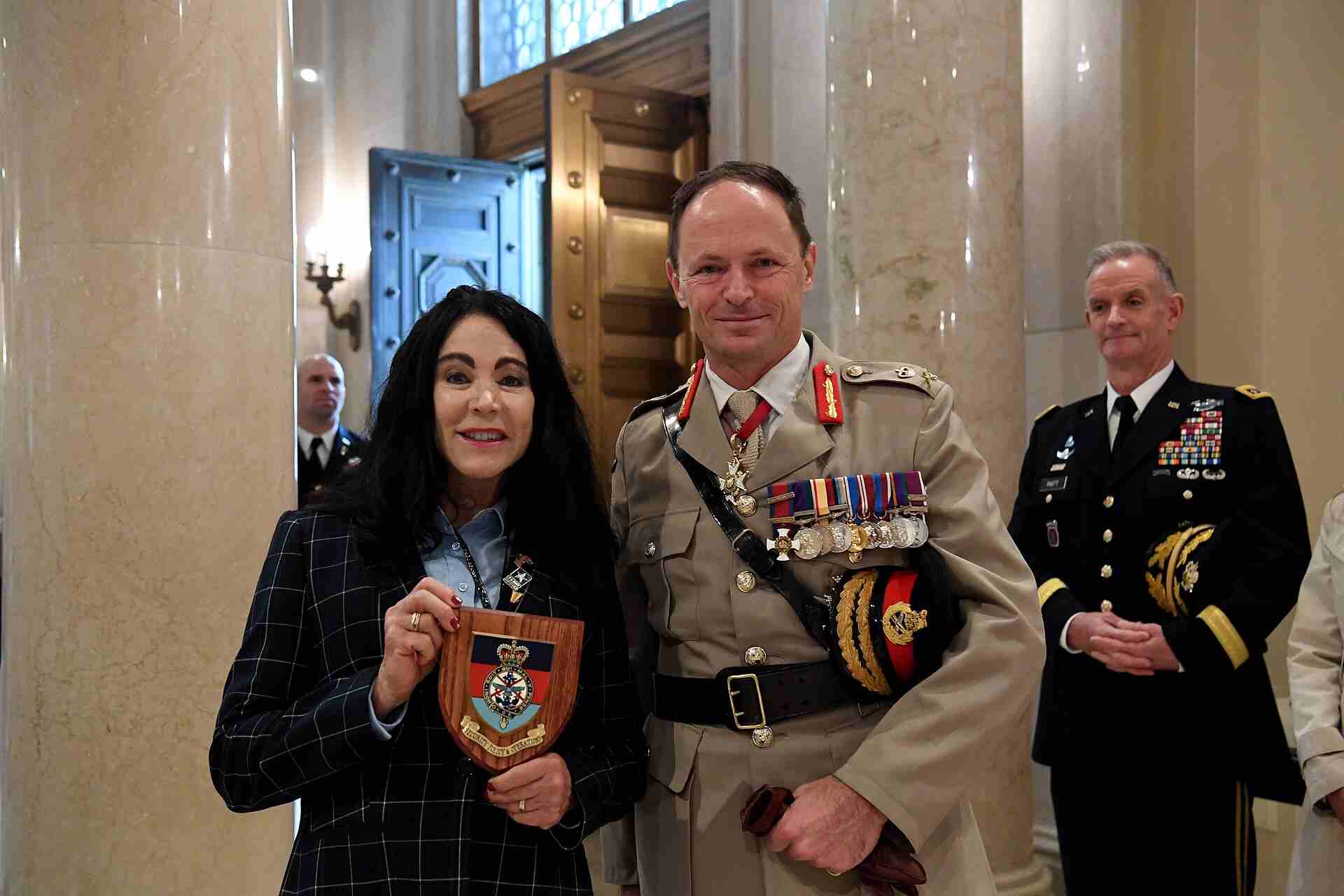
I'll be honest: when the head of the British Army looks 700 of his own soldiers in the eye and tells them the nation is going to need them to fight, I sit up. General Sir Roly Walker did exactly that this week at Catterick Garrison, in footage captured by the British Forces Broadcasting Service. His message was blunt to the point of discomfort. "You didn't know this, but our nation is going to need you."
Walker, the Chief of the General Staff, warned that "very soon" Britain's political leaders would be forced into a "frank conversation" with ordinary citizens about war — about "just what is going on and where the risk lies" — and that people would have to "consent to sacrifices to prioritise defence and security." Coming from a former SAS officer who survived a Taliban bomb, it landed harder than any ministerial speech.
What the general actually said at Catterick
The setting matters: roughly 700 soldiers from 1 (UK) Division — the Army's high-readiness global response force, paratroopers included. These are the troops who deploy first. Walker told them Britain's days of not thinking about war are over: "There is extreme jeopardy in the world at the moment, and the business of soldiering is coming back into the nation's psyche."
He went further than most generals dare. Politicians, he said, must explain that citizens "have got to consent to sacrifices to prioritise defence and security" — then ask those citizens to play a part in defending the country, and ultimately "to back us, to back you to do the one thing that you do that nobody else gets to do and that is to take the fight to the enemy."
Why now: the 2027 'peak risk' warning
Walker has previously warned that 2027 represents a year of peak risk for Britain, with "just enough time to prepare." The backdrop: Russia's grinding war in Ukraine, now in its fourth year, hybrid warfare rattling European capitals, and open anxiety inside NATO about whether allies would even agree on triggering Article 5 if Russia probed a weak spot.
Domestically, Burnham inherited Starmer's 18-month-old promise of a national conversation on defence — a pledge gathering dust ever since. Walker is effectively telling the government: start talking, or events will do the talking for you.
The Ipsos problem: half of Britain says it won't fight
Here's where the "frank conversation" hits an awkward wall. An Ipsos survey on 14 October found 48 per cent of British adults said there were no circumstances in which they would personally take up arms for Britain. Only 36 per cent said there were.
Enjoyed this guide?
Britain Daily is an independent publication. Every guide is researched, written and carefully edited, and kept free forever. If this saved you time or made your life easier, please don't let the effort go unnoticed — support our work with whatever you can, from $1 upward. Every dollar keeps the guides coming.
💛 Donate via PayPalThat is the audience Walker wants politicians to ask for sacrifices. Nearly half the country wouldn't pick up a rifle under any circumstances — yet the polling suggests most of them still back higher defence spending. Happy to pay; reluctant to bleed.
At Prime Minister's Questions, Burnham was pressed by Kemi Badenoch on when defence spending reaches 3 per cent of national income. His answer: wait for the Budget on 28 October. The general's warning, the Ipsos numbers, the spending pledge — everything funnels into that single date.
What 'sacrifices' would actually mean
Let's be clear about what Walker did not say. No conscription. No mobilisation plan. He didn't ask civilians to do anything specific at all — which is the weakness of his intervention. "Consent to sacrifices" is stirring rhetoric, but until the government spells out what those sacrifices are — higher taxes, welfare cuts, stretched public services — it stays rhetoric.
And that's the political trap. Labour has repeatedly refused to slash welfare to fund the armed forces. The Budget on 28 October will show whether Burnham is willing to do what his own army chief is demanding: prioritise defence and security, in pounds and pence, not just speeches.
My take? Walker is right that the conversation is overdue, and he's right that Britain has been sleepwalking. But the "frank conversation" can't be a general telling soldiers that citizens must sacrifice; it has to be the Prime Minister telling citizens what the sacrifice actually is. Until then, this was a warning shot fired in the wrong direction — at the troops, instead of at the Treasury.
Watch: BFBS Forces News — the Army Chief warns Britons must prepare to make sacrifices for war.
Sources
Classic FM, "Army chief says politicians to start 'frank conversation' with public to prepare for war" (16 October 2026): classicfm.com
The Times, "Britain is going to need you to fight, army chief tells soldiers" (17 October 2026): thetimes.com
Great British PAC, "Half of Britain says it will not fight, the Army chief asks for sacrifice, and the Prime Minister says wait for the Budget" (16 October 2026): greatbritishpac.com
Enjoyed this guide?
Britain Daily is an independent publication. Every guide is researched, written and carefully edited, and kept free forever. If this saved you time or made your life easier, please don't let the effort go unnoticed — support our work with whatever you can, from $1 upward. Every dollar keeps the guides coming.
💛 Donate via PayPal