Autumn Budget 2026: IFS Warns Chancellor Must Find £36bn in Tax Hikes or Welfare Cuts
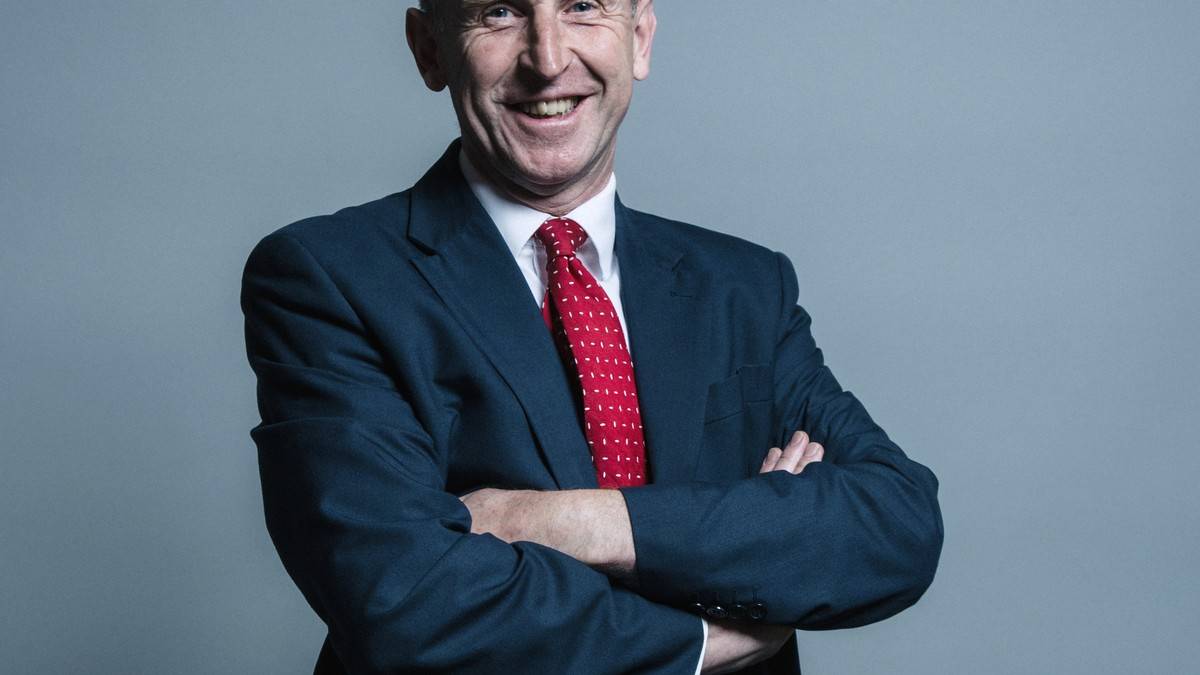
Chancellor John Healey has just over two weeks until his first Budget — and the Institute for Fiscal Studies has delivered a blunt warning: there is no painless option. In a report published on October 12, the respected think tank said Healey will need to find £36 billion in tax rises or welfare cuts simply to offset the inflation hit to public services and meet a defence spending pledge.
A "steady-as-she-goes" Budget on October 28 is not an option, the IFS warned, because the tax and spending plans inherited from predecessor Rachel Reeves have been upended by the inflation surge caused by the Iran war. Without adjustment, investors may question the plans' credibility.
Why £36 billion?
The figure breaks down into two pressures. First, higher inflation has eroded the real value of departmental budgets, meaning public services face what IFS director Helen Miller called "chunky cuts to the quantity or quality" of services unless funding is topped up. Second, the government is under pressure to set out when it will raise defence spending to 3% of GDP — a commitment that has become harder to fund as the Gulf conflict drives up borrowing costs.
To put the number in perspective: finding another £36 billion in tax would be equivalent to adding three percentage points to the main rate of income tax. Healey and Burnham have promised not to raise the main rates of taxation — but they are widely expected to find revenue-raising measures elsewhere.
The Iran war's fiscal damage
The Financial Times estimates the Iran conflict and soaring energy prices have blown a near-£12 billion hole in Britain's public finances, halving the fiscal headroom available at the Budget from the £23.6 billion forecast by the Office for Budget Responsibility in March to around £12 billion. Government borrowing costs have risen sharply since the conflict began, and inflation-linked welfare spending is climbing.
Enjoyed this guide?
Britain Daily is an independent publication. Every guide is researched, written and carefully edited, and kept free forever. If this saved you time or made your life easier, please don't let the effort go unnoticed — support our work with whatever you can, from $1 upward. Every dollar keeps the guides coming.
💛 Donate via PayPalThe IFS notes one possible escape route: if the OBR decides higher inflation will push up earnings growth and income tax revenues, much of the extra debt interest bill could be offset — leaving Healey's headroom only modestly lower at around £20 billion. But that is a forecast, not a fact.
What might be in the Budget
Speculation is already swirling. Reports suggest the Chancellor has called in supermarket bosses and leisure operators to discuss business rates, sparking fears of higher rates on big retailers to fund help for the high street. The Guardian reports Healey is considering a £1 billion-plus intervention on energy bills targeted at households on benefits — while refusing demands to scrap levies from bills entirely.
A former economic adviser to Burnham, Lord Jim O'Neill, has told the FT that big tax rises would undermine confidence and growth, and suggested an emergency £10 billion cut to the fiscal buffer instead.
The political bind
Healey and Burnham have promised to reduce the cost of living. But they inherit more than £60 billion of tax rises from Reeves's two previous Budgets, a strained public finance position, and a defence commitment that is getting more expensive by the month. The Budget on October 28 will show which of those promises gives way first.
Sources
- Reuters: UK's Healey can't risk a 'steady as you go' budget, think tank warns
- S&W Group: What will be in the Autumn Budget 2026?
- CPA: UK Business News Today — 5 October 2026
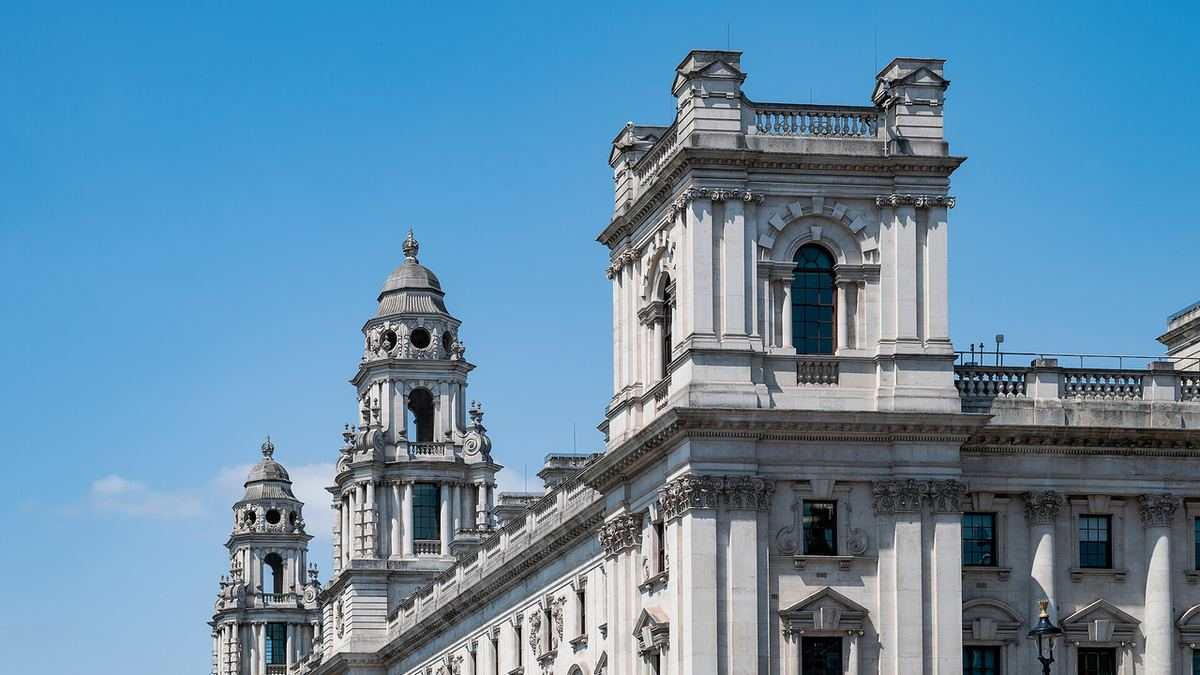
Photo: Wikimedia Commons (CC BY-SA 4.0) — Tilman2007 (HM Treasury, Whitehall).
Enjoyed this guide?
Britain Daily is an independent publication. Every guide is researched, written and carefully edited, and kept free forever. If this saved you time or made your life easier, please don't let the effort go unnoticed — support our work with whatever you can, from $1 upward. Every dollar keeps the guides coming.
💛 Donate via PayPal