Will the Bank of England Raise Interest Rates on 5 November? What It Means for Your Mortgage
I have stopped counting how many times I have asked "will the Bank of England raise rates" in the last three years, and the honest answer has usually been: probably not. This time feels different, and not in a good way for borrowers.
Inflation hit 3.5% in September, according to the Office for National Statistics — up from 3.1% in August, and hotter than the 3.4% economists had pencilled in. Petrol and diesel are the villains: fuel prices are nearly 30% higher than a year ago, and the war in the Middle East keeps pushing crude higher. It is the third straight monthly rise — 2.9% in July, 3.1% in August, 3.5% now — and the Bank of England's target is 2%.
That gap is why 5 November matters. The Bank's Monetary Policy Committee meets that day at noon, and financial markets are now pricing roughly a 98.8% chance of a quarter-point rise, taking Bank Rate from 3.75% to 4%. It would be the first increase in three years.
Why a November Bank of England rate rise is now the favourite
Back in September, around 90% of economists thought rates would stay put for the rest of 2026. The Bank held at 3.75% on 17 September — but three of the nine committee members voted to raise, which was the first real crack in the dam.
Then came the Reuters poll of 63 economists earlier this month: 54 now expect a rise on 5 November. Capital Economics, Barclays, Oxford Economics and Bank of America have all flipped to forecasting hikes. Ruth Gregory at Capital Economics sees 4% in November and 4.25% by February; Barclays' Jack Meaning calls a November move "very likely".
What tipped the scales was not just the headline number. Core inflation — which strips out food and energy — climbed to 2.8%, and services inflation hit 3.7%. Those are the measures the Bank watches for signs that the energy shock is leaking into everything else, and both are moving the wrong way. Governor Andrew Bailey has warned that the longer energy prices stay high, the more likely the Bank will need to act.
What a Bank of England rate rise means for your mortgage
Here is the part nobody on Threadneedle Street says out loud: lenders have already moved. You do not need to wait for 5 November to feel this.
Moneyfacts figures put the average two-year fixed mortgage at 5.97% and the average five-year fix at 6.01% — both the highest since 2023, and both up sharply from early September, when the two-year fix sat at 5.59%.
Enjoyed this guide?
Britain Daily is an independent publication. Every guide is researched, written and carefully edited, and kept free forever. If this saved you time or made your life easier, please don't let the effort go unnoticed — support our work with whatever you can, from $1 upward. Every dollar keeps the guides coming.
💛 Donate via PayPalWhether you are directly affected depends on the deal you are on. Tracker mortgages follow Bank Rate, so a quarter-point rise feeds through fast. Standard variable rates usually move too, though that is the lender's call. If you are on a fixed deal, your payments do not budge until the fix ends — which is exactly why the remortgage queue matters.
About 1.8 million fixed-rate deals end during 2026, according to UK Finance, and roughly 750,000 households are rolling off rates below 3%. The Bank estimates their repayments rise by around £170 a month on average. Add a rate hike on top and the maths gets ugly.
What mortgage holders should do before 5 November
This is not financial advice — but here is what the sensible money is doing. Most lenders let you lock in a new deal up to six months before your current one ends, and you can usually review it before it kicks in. If your fix expires in the next year, talking to a broker now costs nothing and secures a fallback rate.
One small mercy: savers may finally get something. Banks do not always pass on the full rise, but savings rates should edge up — check what your account actually pays, because loyalty rarely pays in this market.
And keep an eye on the Budget on 28 October, a week before the Bank decides. If John Healey's numbers spook the bond markets, fixed mortgage rates could move again before Threadneedle Street says a word.
Editor's note: we searched for a video from a major outlet on the November rate decision but could not find one at the time of writing — the sources below carry the full reporting.
Sources
- HomeOwners Alliance: Latest UK interest rate forecasts — will the Bank of England raise interest rates on 5 November?
- City Mortgage Solutions: UK inflation rises to 3.5% — what it means for your mortgage
- Caithness Business Index: Inflation rise puts November interest rate decision in the spotlight
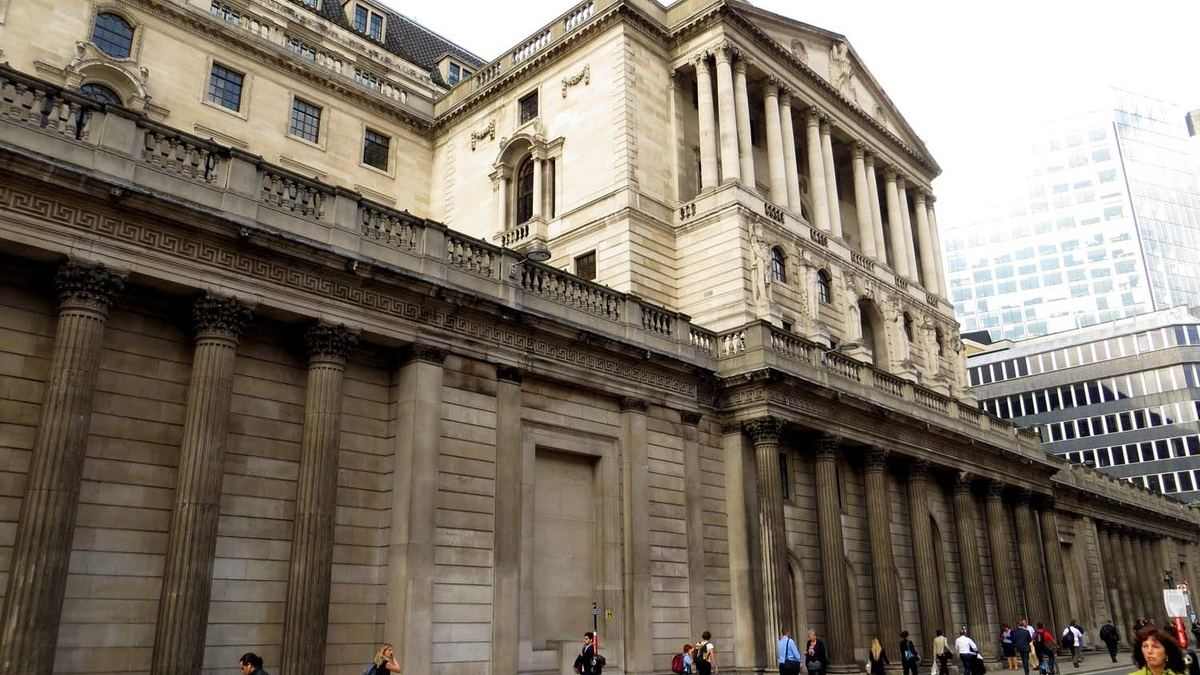
Photo: The Bank of England on Threadneedle Street — Steve Daniels, CC BY-SA 2.0, via Wikimedia Commons.
Enjoyed this guide?
Britain Daily is an independent publication. Every guide is researched, written and carefully edited, and kept free forever. If this saved you time or made your life easier, please don't let the effort go unnoticed — support our work with whatever you can, from $1 upward. Every dollar keeps the guides coming.
💛 Donate via PayPal