BBC Pauses Civil Servant Secondment Scheme After Telegraph Reveals Whitehall Staff Wrote News
Of all the scandals to hit the BBC this year, this one has a special sting. Not because of what was allegedly written, but because of who allegedly wrote it — and the fact that nobody told you. The Telegraph revealed this weekend that civil servants seconded into the BBC's newsroom have been writing articles and fact-checking some of the most politically sensitive stories in Britain: small boat crossings, Covid, crime statistics by nationality. Their bylines read simply "BBC News" and "BBC Verify". Yesterday, the BBC blinked. It has paused the whole scheme pending a review.
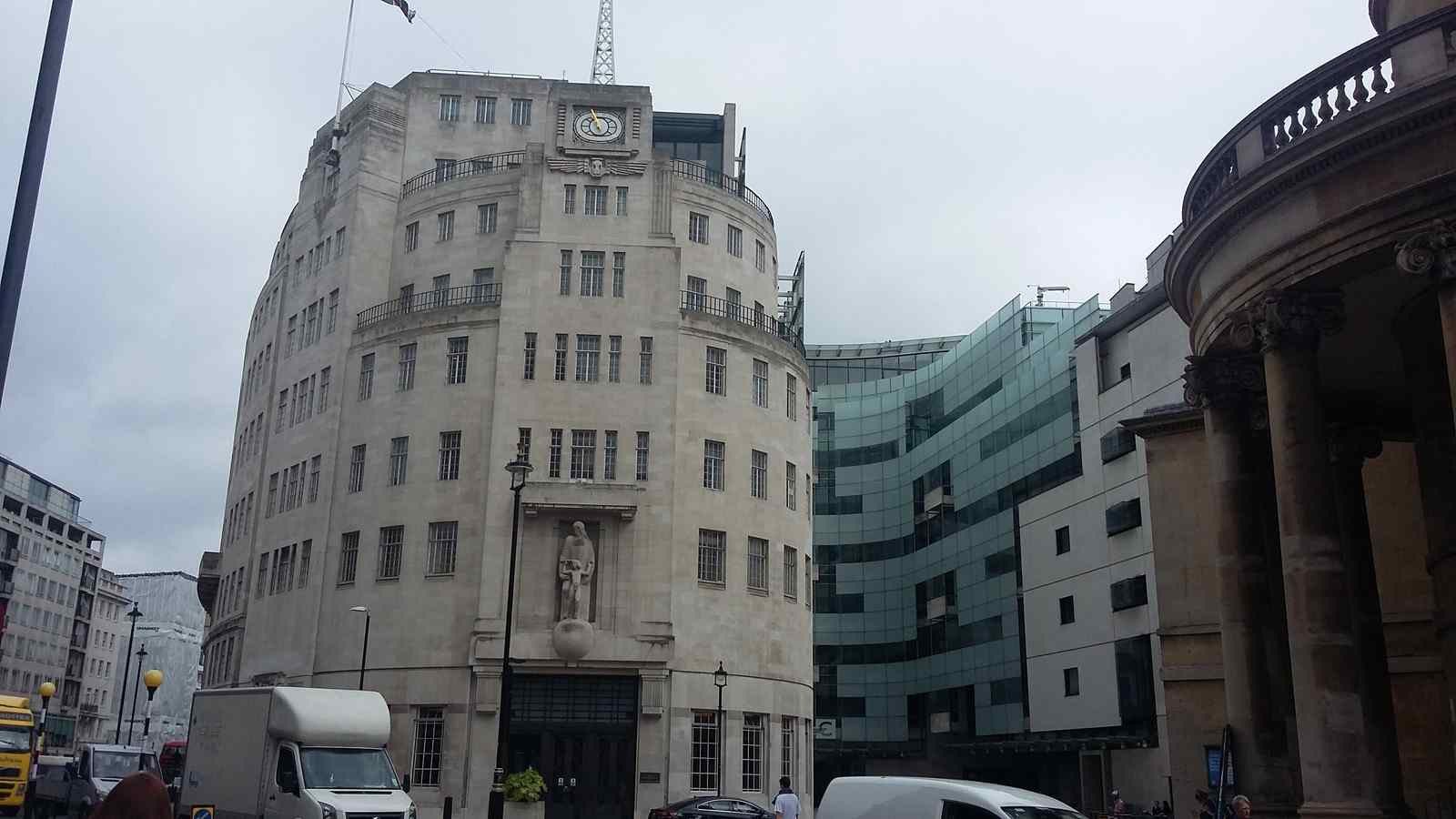
Photo: Les Hull via Wikimedia Commons (CC BY-SA 2.0). BBC Broadcasting House, London — the corporation has paused its civil-service secondment programme.
Let me be fair about what the BBC actually says happened, because the two versions of this story are very different. The Telegraph's version: fast-stream graduates and managers, paid by their Whitehall departments, embedded in the newsroom to produce news and analysis on "high-impact, sensitive topics", with one secondee blogging that he had drafted an explainer piece that went online and copy for his boss to read on the radio. The BBC's version: these were statisticians from the Government Statistics Service on six-month placements since 2018, they never made editorial decisions, and a blog post claiming otherwise was "inaccurate" and has been pulled.
BBC pauses civil servant secondment scheme: what changed
Here is what nobody disputes. The arrangement has run for eight years. A job advert for the 2027 cohort, which closed on Friday, sought Grade 7 and senior executive officer analysts for three-month placements at BBC News headquarters in London, asking for "the ability to influence decision making". The two civil servants currently on secondment will not be involved in any published output while the review runs, and recruitment is frozen.
The BBC has also conceded the optics. It will amend bylines so readers can see the authors were civil servants. That is a significant admission from a broadcaster that insists nothing improper happened: if the arrangement was always fine, why did the labels need fixing only after a newspaper asked questions?
Enjoyed this guide?
Britain Daily is an independent publication. Every guide is researched, written and carefully edited, and kept free forever. If this saved you time or made your life easier, please don't let the effort go unnoticed — support our work with whatever you can, from $1 upward. Every dollar keeps the guides coming.
💛 Donate via PayPalWhy charter renewal makes the timing explosive
The Times, reporting the pause on Monday, put its finger on the awkward bit: the BBC is currently negotiating its charter renewal with the government. A broadcaster whose fact-checking unit, BBC Verify, is staffed partly by government statisticians — working, per returned secondees quoted by The Times, on PMQs figures, the former chancellor Rachel Reeves's budget and scripts for the main TV bulletins — has a perception problem that no amount of process language can wish away.
The political reaction was instant and predictable. Mike Wood, the shadow Cabinet Office minister, demanded transparency for taxpayers and licence fee payers. Danny Kruger, Reform UK's policy chief, called it "scandalous" and a conflict of interest. Professor Carl Heneghan of Oxford's Centre for Evidence-Based Medicine said civil servants contributing to Covid coverage "goes to the heart of the editorial problem". Reform, inevitably, has folded it into its pledge to scrap the licence fee.
The uncomfortable question nobody can dodge
Here is the thing that will keep this story alive long after the review concludes. The BBC's defence is entirely about process: editorial decisions were always made by BBC journalists, statisticians only advised. But trust is not a process. It is a feeling the audience has, and it depends on knowing who is in the room when the news gets written.
For eight years, licence fee payers funded a broadcaster that was also, quietly, hosting taxpayer-funded officials inside its newsroom — officials whose day jobs sit in the departments whose claims BBC Verify exists to check. Maybe no line was ever crossed. Maybe every stat was immaculate. But the public was never told, and now the BBC is pausing the scheme it spent the weekend defending. You do not hit pause on something you are entirely comfortable with. The review will report in due course. The trust, I suspect, will take longer.
Sources
- The Times — BBC accused of impartiality breach over use of Whitehall fact-checkers
- Breaking Brexit News — BBC civil servants writing news sparks impartiality row
- BriefTea — BBC pauses civil servant secondments to BBC Verify
Enjoyed this guide?
Britain Daily is an independent publication. Every guide is researched, written and carefully edited, and kept free forever. If this saved you time or made your life easier, please don't let the effort go unnoticed — support our work with whatever you can, from $1 upward. Every dollar keeps the guides coming.
💛 Donate via PayPal