Bird Flu Is Back: Fresh Cases in Scotland, EU Halts Poultry Imports, and Britain Loses Its Disease-Free Status
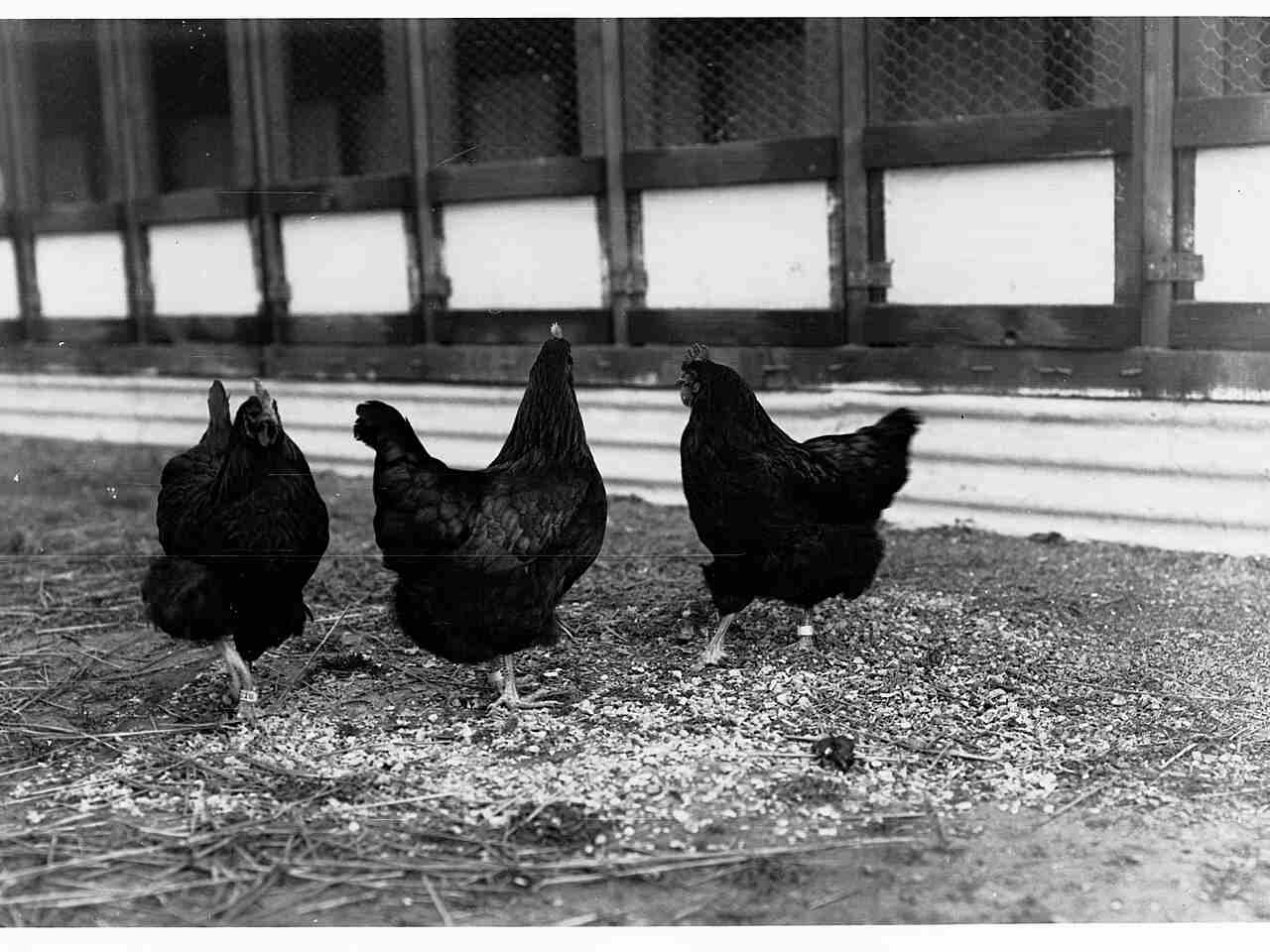
Photo: State Government Photographer, CC0, via Wikimedia Commons (chickens at a poultry farm).
Autumn has barely started and bird flu is back. The first cases of the new season have been confirmed in Scotland — including fresh detections in domestic flocks in Orkney and on Lewis, reported this week — and the ripples are already crossing the Channel. Brussels has now slapped import restrictions on parts of Britain, and the country has lost its official disease-free status before the migratory birds have even finished arriving.
It started, quietly, in Ness on the Isle of Lewis. On 2 October, highly pathogenic avian influenza H5N5 was confirmed in commercial backyard poultry at Knockaird, Ness, in the Western Isles. The Scottish Government declared a 3km protection zone and a 10km surveillance zone around the premises, and logged the case as AIV 2026/20. It was the first confirmed outbreak of the 2026-27 season anywhere in Britain.
This week the picture grew wider, with cases confirmed in small domestic flocks in Orkney and Lewis, and exclusion zones put in place to try to stop the virus spreading.
Why Brussels cares
The European Commission does not do sentimentality about poultry, but it does move fast. On 8 October, under Implementing Regulation 2026/2268, the EU suspended imports of live poultry, hatching eggs and fresh poultry and game bird meat from six specific zones in three countries — including the Isle of Lewis area of Scotland. The other zones are in Manitoba and Alberta in Canada, and Stearns County, Minnesota and Jay County, Indiana in the United States, where H5N1 and H5 strains were also confirmed in late September and early October.
The suspension is zoned, not national — the EU is not banning British poultry wholesale. But the trade signal is what matters. Great Britain self-declared freedom from highly pathogenic avian influenza back on 18 May, and prevention zones across England, Scotland and Wales were lifted on 4 June. On 3 October, Defra confirmed that freedom was gone. Regaining it means stamping every outbreak out and waiting for the zones to be lifted — a slow business when the virus is circulating just as autumn migration gets under way.
Enjoyed this guide?
Britain Daily is an independent publication. Every guide is researched, written and carefully edited, and kept free forever. If this saved you time or made your life easier, please don't let the effort go unnoticed — support our work with whatever you can, from $1 upward. Every dollar keeps the guides coming.
💛 Donate via PayPalWhat bird keepers are being told
UK chief veterinary officer Christine Middlemiss has been saying the same thing to everyone from commercial producers to people with six hens in the garden: biosecurity is the best defence. "I urge all bird keepers to remain vigilant, monitor their birds closely and report any suspicions of disease to APHA," she said.
The specifics are unglamorous and essential. Keep contact between kept birds and wild birds to a minimum. Change clothing and footwear before entering bird enclosures. Clean and disinfect vehicles. If you have more than 500 birds, restrict access for non-essential visitors. Eligible keepers in England can now claim a funded £430 Poultry Biosecurity Review — a vet visit, a written report and tailored recommendations — under the government's Animal Health and Welfare Pathway.
And the timing is bad. Ducks, geese and other migratory waterfowl are arriving back in Britain to overwinter, which is when the risk of the virus jumping from wild birds into kept flocks climbs sharply. Last season was already a nasty one: 100 confirmed premises outbreaks across the UK in 2025-26, against 82 the season before and at least 2.4 million birds culled. The record season remains 2022-23, with 207 infected premises. Nobody wants to see how this season compares.
The honest assessment
Here is what is genuinely concerning and what is just noise. The concerning part: the virus is circulating earlier and the season has barely begun, which puts the entire autumn and winter in play. The noise part: for consumers, there is no scare here. Food standards bodies have always said avian influenzas pose a very low food safety risk, and cooked poultry products including eggs remain safe to eat.
The people who should be paying attention are the ones with birds. Avian influenza is a notifiable disease — if you suspect it, you must report it to the Animal and Plant Health Agency immediately, and dead wild birds should be reported rather than touched. NFU Scotland's poultry chairman Matthew Steel called the Lewis confirmation "deeply concerning" and reminded every keeper, "regardless of the size of their flock," to stay vigilant. That is the right note. A backyard flock triggers exactly the same restrictions as a commercial farm, and the virus does not care which one it finds.
Sources
- Scottish Government, "Avian flu (bird flu): Ness, Isle of Lewis (AIV 2026/20)" (2 October 2026): gov.scot
- Farmers Weekly, "UK records first bird flu outbreak of the season" (5 October 2026): fwi.co.uk
- Global Agriculture, "EU Halts Poultry Imports From Six Zones in Canada, the UK and the US" (12 October 2026): global-agriculture.com
- Farmers Guide, "Poultry keepers urged to use funded biosecurity reviews as bird flu risk rises" (12 October 2026): farmersguide.co.uk
Enjoyed this guide?
Britain Daily is an independent publication. Every guide is researched, written and carefully edited, and kept free forever. If this saved you time or made your life easier, please don't let the effort go unnoticed — support our work with whatever you can, from $1 upward. Every dollar keeps the guides coming.
💛 Donate via PayPal