Burnham Sets November 20 UK-EU Summit and Reopens the Brexit Debate: 'Status Quo Is Not Good Enough'
Ten years after Britain voted to leave the European Union, the Brexit debate is back at the centre of Westminster — and the prime minister is the one who put it there. On Monday, Andy Burnham told MPs that Britain will push for a new UK-EU deal at a summit in Brussels on November 20, and then open a serious national conversation about the country's long-term relationship with Europe. "Sticking with the status quo is not good enough for Britain," he said.
According to Reuters, Burnham confirmed the UK-EU summit would take place on November 20 after it was postponed when his predecessor Keir Starmer resigned. Marking parliament's return after recess, he said he hoped to advance a deal on food standards alignment, linked emissions trading systems, and youth mobility — measures he argued would boost economic growth.
UK-EU summit November 20: what is on the table
The November summit is shaping up as the most consequential UK-EU meeting since Brexit. According to The Times, Burnham will meet European Commission chief Ursula von der Leyen in Brussels, and the deals being negotiated would add up to £10 billion per year to the UK economy by 2040. The European Council has confirmed the date.
The most immediate prize is food. According to The Times, the deal being negotiated would cut costs and bureaucracy for food exporters that add up to £1,400 per shipment crossing the Channel, and would allow the UK to sell burgers, sausages and some types of shellfish in EU markets for the first time since Brexit.
Energy and climate policy is the second pillar: linking the UK and EU emissions trading systems would let companies trade carbon allowances in a single, deeper market. On security, The Times reported that the package could give the UK access to EU migration databases for the first time since Brexit, making it easier to tackle the small boats crisis.
Then there is youth mobility. Burnham confirmed he is committed to a substantive scheme letting young people move across Europe with ease. According to The Times, he told MPs: "I believe this generation now, which has so much potential, so much promise, deserves the same that so many of us took for granted, which is the ability to travel and study in Europe with ease." One sticking point remains untouched: he did not address university fees for EU students, a key issue in the talks.
Burnham Brexit: why this breaks with Starmer
What makes Monday's statement remarkable is not just the summit — it is the invitation to reopen a debate his predecessor treated as radioactive. According to Reuters, Starmer had steered clear of restarting a divisive argument over Britain's relationship with Europe. Burnham is making the opposite case: that Britain has not benefited from quitting the EU and should again take a "calm, clear-eyed look" at its ties.
Enjoyed this guide?
Britain Daily is an independent publication. Every guide is researched, written and carefully edited, and kept free forever. If this saved you time or made your life easier, please don't let the effort go unnoticed — support our work with whatever you can, from $1 upward. Every dollar keeps the guides coming.
💛 Donate via PayPal"If we are serious about promoting growth, controlling immigration, upholding our values and security, it is a conversation we must have," Burnham told parliament, according to Reuters. He argued that Britain's chances of securing a good deal at the summit would be enhanced by being open to a discussion about the relationship in the longer term.
According to Channel News Asia, Burnham also sought to reassure MPs that the public would remain in charge at every stage, saying the British public will be the boss throughout any renegotiation of the relationship. His immediate priority, he said, is securing a successful outcome at the summit — after which the government should set up a serious dialogue about the different options for the long term.
The politics are delicate. Burnham campaigned for Britain to stay in the EU in the 2016 referendum, when Leave won 52% to 48%. According to Reuters, his words echoed a debate that has divided Britain ever since. He played down expectations on one front: The Times reported that he hinted an agreement giving UK car manufacturers the same support as European counterparts under the Made in Europe scheme was unlikely this year.
The backlash — and what happens next
The reaction was swift. According to the Daily Mail's account, Conservative leader Kemi Badenoch shot back that Burnham was reopening old divisions and had already given away his negotiating hand to Brussels.
Burnham's allies counter that this is pragmatism, not re-entry by stealth: practical fixes that cut costs for businesses and open doors for young people without revisiting the referendum itself. The summit on November 20 will test whether Brussels agrees — and whether the package on offer is generous enough to justify the political heat.
What is certain is that the Brexit argument, declared closed by successive prime ministers, is open again.
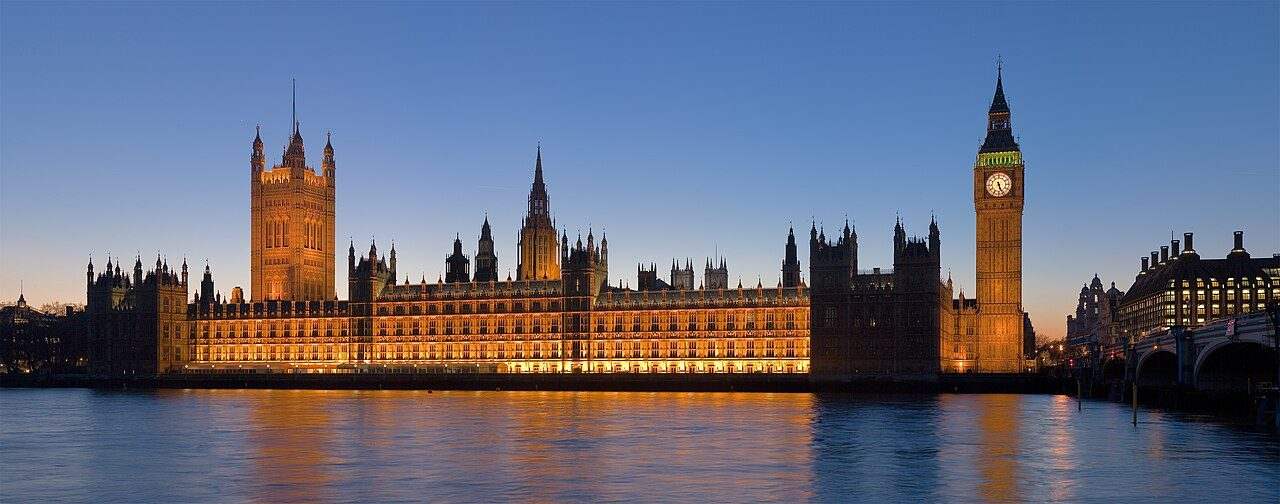
Photo: Palace of Westminster, London (CC BY-SA 2.5), via Wikimedia Commons.
Sources
- Reuters via GMA News — Burnham hopes for EU deal next month, stirs Brexit debate
- The Times — Andy Burnham: We're ready for closer ties with the EU
- Channel News Asia — Burnham hopes for EU deal next month, stirs Brexit debate
- 10bmnews — UK-EU summit date confirmed as Andy Burnham seeks closer ties
Enjoyed this guide?
Britain Daily is an independent publication. Every guide is researched, written and carefully edited, and kept free forever. If this saved you time or made your life easier, please don't let the effort go unnoticed — support our work with whatever you can, from $1 upward. Every dollar keeps the guides coming.
💛 Donate via PayPal