Burnham Heads North: PM Offers Scotland Deeper Devolution in Motherwell Speech — But Rules Out Second Independence Vote
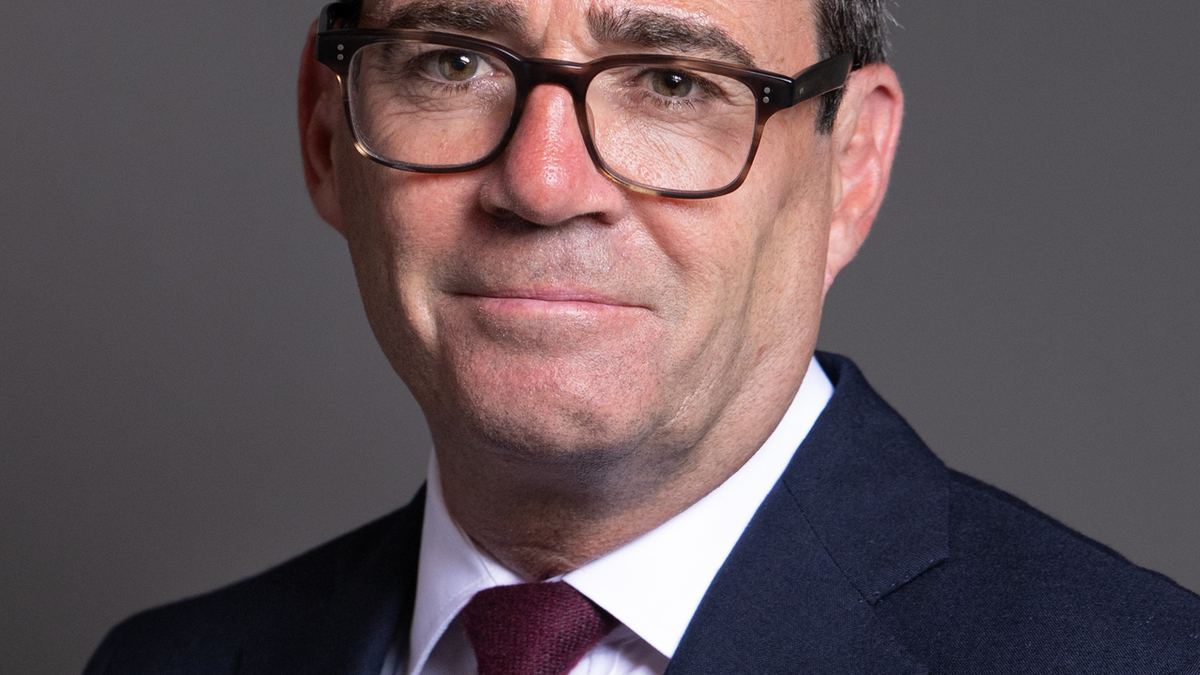
Andy Burnham stood in an old Lanarkshire steelworks on Friday and told Scotland he does not want to be the last prime minister of the United Kingdom. Then he offered John Swinney a deal: park the constitution for a while, take more powers, and get on with the stuff that actually shapes people's lives.
It was Burnham's first major political intervention in Scotland since taking office, and he chose his ground carefully: New College Lanarkshire in Motherwell, in the central belt where Labour and the SNP will fight some of their fiercest battles. His pitch was “deeper devolution” — not just from Westminster to Holyrood, but from Holyrood down to Scotland's regions and towns. Describing Scotland as “one of the most centralised nations in Europe”, he urged politicians to “move beyond the constitutional issues” and “focus on solutions for people right now”.
Asked by the BBC whether his approach made him more or less likely to go down as Britain's last prime minister, he replied: “Obviously, I don't want to be that — too much time is wasted on those dramas, it consumes too much energy.”
What's actually on the table
This wasn't just rhetoric. Burnham offered to devolve localised employment support — currently run by the Department for Work and Pensions — so it can be shaped in Holyrood rather than Whitehall, and said he wanted to “design a new model together of regional economic empowerment across Scotland, one that puts control in the hands of local people.” Deeper devolution could stretch to transport and housing, opening the way to things like putting buses under public control in Glasgow.
“I do want a good growth in every postcode here, and in the rest of the UK, and I want to work with the first minister to deliver it,” he said. “We won't agree on everything, but we can agree on something.” On the cost of living, he was blunt: people in Scotland are suffering like they are in England, and the job is to focus on the practical stuff — getting young people off benefits in their twenties, cutting energy costs, fixing the everyday.
Swinney's response was polite but pointed. Scotland's first minister said he would “of course” work with the prime minister if new powers were genuinely offered to Holyrood — while flatly rejecting the claim that Scotland is over-centralised. Scotland's economy secretary Stephen Flynn said the Scottish government would engage with the announcement.
Enjoyed this guide?
Britain Daily is an independent publication. Every guide is researched, written and carefully edited, and kept free forever. If this saved you time or made your life easier, please don't let the effort go unnoticed — support our work with whatever you can, from $1 upward. Every dollar keeps the guides coming.
💛 Donate via PayPalThe referendum question he wouldn't quite answer
The trickiest moment came when Burnham was asked directly whether he would rule out a second independence referendum during his time in office. He didn't give a straight yes or no. He said he had set out his position “very clearly” to Swinney and that his view “will not change” — which Flynn promptly seized on as leaving the door ajar. Downing Street later moved to shut it, confirming that Burnham is ruling out a new referendum.
The BBC's Chris Mason summed up the dynamic neatly: both men share a diagnosis that Westminster has failed Scotland, and both believe power works better closer to people. But where Burnham sees the independence “drama” as a distraction from governing, independence remains Swinney's lifelong political goal. That fault line ran through the whole day.
Editor's note: no verified broadcaster video was embeddable at publication time; the linked BBC, Times and PA coverage carries full reporting from the event.
Why now — and why it matters
The timing was no accident. Burnham's visit landed during the SNP's conference week, and one senior Labour source described it as taking “the fight right to the heart of the SNP”. Swinney had previously claimed Burnham would be the last ever prime minister of the UK — a jibe the PM was clearly answering head-on in Motherwell.
Here's my honest read: the offer is more concrete than the usual devolution warm words — DWP employment powers are real levers, not slogans. But Swinney will happily pocket new powers while keeping the independence flame alive, and Burnham needs Scottish voters to believe Labour can deliver change without touching the constitution. Whether “regional economic empowerment” survives contact with two governments that fundamentally disagree about the country's future — that's the test to watch.
Sources
- The Times — Stop dramas and help people's lives, says Burnham in Scotland visit
- Glasgow Times (PA wire) — Swinney: Of course I would work with Burnham if new powers offered to Holyrood
- BBC News — Chris Mason analysis: Burnham and Swinney tussle over where power lies in Scotland
- The Guardian — UK politics live: Burnham to deliver speech in Scotland on devolution
Enjoyed this guide?
Britain Daily is an independent publication. Every guide is researched, written and carefully edited, and kept free forever. If this saved you time or made your life easier, please don't let the effort go unnoticed — support our work with whatever you can, from $1 upward. Every dollar keeps the guides coming.
💛 Donate via PayPal