Healey's Bank Tax Raid: Chancellor Poised to Raise Bank Surcharge to 8% in Budget 2026 — But Banks Warn of £20bn Cost
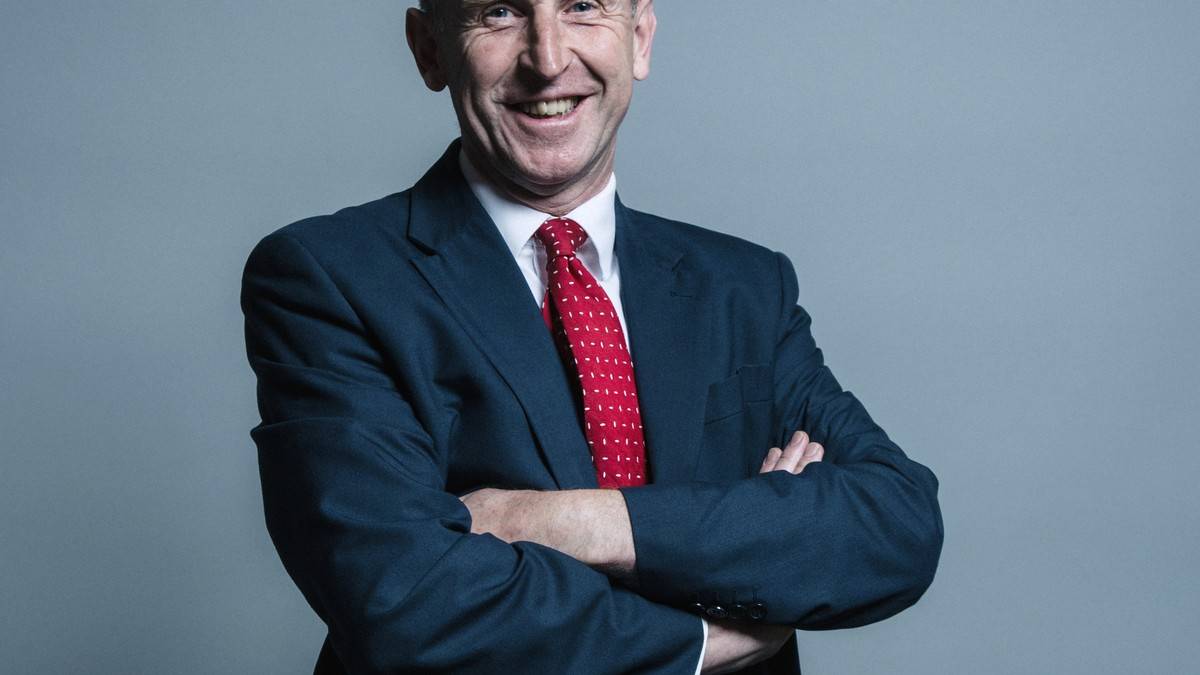
On Thursday morning at the IMF meetings in Bangkok, Chancellor John Healey called Britain’s banks "the jewel" of the British economy, "hardwired into the economic fabric of this country," according to the Guardian. By Thursday night the same paper was reporting he is poised to slap those jewels with a £2 billion-a-year tax raid in his Budget on 28 October. Praise by day, raid by night — welcome to British politics, 2026 edition.
What "tax raid on banks" actually means
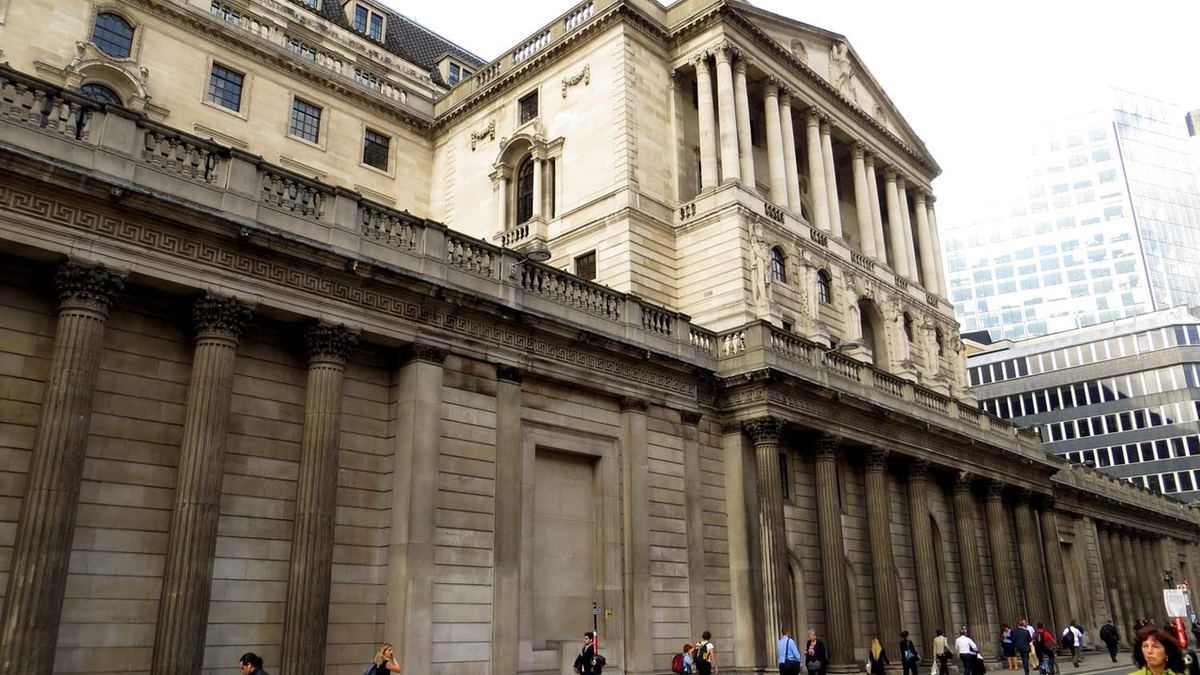
Banks in Britain pay the standard 25 per cent rate of corporation tax, plus an extra 3 per cent surcharge on profits above £100 million, plus a separate levy on their balance sheets. The option understood to be under discussion, according to the Guardian’s Thursday-night report, is to reverse the cut made by the former Conservative chancellor Jeremy Hunt, who took that surcharge from 8 per cent down to 3 per cent back in April 2023 — at the same moment he raised headline corporation tax from 19 to 25 per cent.
Put the surcharge back to 8 per cent and the combined headline rate on bank profits jumps to 33 per cent. The Treasury would, on paper, collect upwards of £2 billion a year more — but "on paper" is doing a lot of heavy lifting here.
Why Healey is reaching for the banks’ wallets
He is in Bangkok being told by the IMF to "stay the course" on fixing the books, while two ugly facts crowd his spreadsheet: the damage to public finances from the war in the Middle East, and the rising cost of government borrowing. His deficit-reduction plans are under real pressure, and the banks — whose four biggest lenders have logged £200 billion in pre-tax profits over five years on the back of higher interest rates — look like an obvious place to look.
The TUC has been hammering this drum for months: big four banks "making a billion pounds a week" while bonuses hit a post-crash record, in Paul Nowak’s phrase, should pay their fair share. You don’t have to agree with the union to see the pitch — banks made bumper money out of everyone’s mortgage misery.
The £2 billion claim versus the £20 billion warning
Here is where it gets interesting, and where my sympathies start to split. The £2 billion figure is a gross, annual estimate from the measure’s supporters. It is not Treasury or OBR-certified, and it assumes banks simply sit still — no less lending, no less investment, no business moved offshore.
Enjoyed this guide?
Britain Daily is an independent publication. Every guide is researched, written and carefully edited, and kept free forever. If this saved you time or made your life easier, please don't let the effort go unnoticed — support our work with whatever you can, from $1 upward. Every dollar keeps the guides coming.
💛 Donate via PayPalThe industry’s answer came in a letter from UK Finance, the banking trade body, sent to Healey on Monday and reported by the Telegraph and Sky News. Chief executive David Postings wrote that restoring the surcharge to 8 per cent would forgo "around £6 billion of UK output" over the five-year Budget forecast period, "rising to nearly £20 billion over 10 years."
One is extra tax receipts, the other is lost economic output — different species. But the City’s fear is genuine: on Friday, Lloyds and NatWest fell around 2 per cent in early trading, Barclays about 1 per cent, according to Reuters, while senior banking executives told the BBC the sector is "on the menu" at the Budget.
Who actually ends up paying
When you tax banks, some of it leaks out to customers — higher charges, worse savings rates, pricier business loans. Shadow Chancellor Andrew Griffith put it bluntly: "Britain needs growth. But a raid on the financial services sector will stifle it." Still, the trap Healey is in is real: cut spending and he breaks his promises, tax households and he breaks his promises, tax banks and he risks the growth he says he wants.
What happens next
Twelve days to the Budget. Watch whether the banks’ sell-off deepens, whether any Labour voice breaks ranks, and whether the £2 billion number survives the OBR’s scoring.
Editor’s note: no video is embedded with this article — we could not verify a reputable-outlet video specifically covering this story on YouTube. The source links below carry the full reporting from the Guardian (via Alliance News), Reuters, the BBC, Sky News and the Telegraph.
Sources
- Reuters — UK banking stocks dip on media report of Budget tax increase (16 Oct 2026)
- Alliance News / AJ Bell — Guardian press summary: Chancellor poised for tax raid on UK banks in Budget (16 Oct 2026)
- Sky News (via Classic FM) — Bank shares fall as tax on lenders expected in Budget (16 Oct 2026)
- Sharecast — Chancellor mulls hiking taxes on banks (16 Oct 2026)
- The Sun — Chancellor John Healey plots bank tax hike as lenders warn of £20bn cost (16 Oct 2026)
Enjoyed this guide?
Britain Daily is an independent publication. Every guide is researched, written and carefully edited, and kept free forever. If this saved you time or made your life easier, please don't let the effort go unnoticed — support our work with whatever you can, from $1 upward. Every dollar keeps the guides coming.
💛 Donate via PayPal