John Healey's £2bn Bank Tax Raid: Budget 2026 Poised to Hike Bank Surcharge — Shares Fall
The City knew it was coming — and then, on Thursday night, the worst fears of Britain's bankers started to crystallise. Chancellor John Healey is poised to raise taxes on the banking sector in his first Budget on 28 October, according to reports from the Guardian, the Financial Times and the BBC, with the most likely move a reversal of the cut to the bank corporation tax surcharge that could raise upwards of £2 billion a year.
According to the BBC, senior banking executives have been told the sector will be "on the menu" when Healey stands up at the despatch box. Bank bosses who spoke to the broadcaster say they fully expect the chancellor to come after their profits — and the markets already agree. NatWest shares fell 1.2% on Friday and Lloyds Banking Group dropped 0.9%, according to The Times, with both lenders sliding further in early trading as the reports landed.
John Healey bank tax plan: surcharge from 3% back to 8%
The option most widely expected in Whitehall is brutally simple. Britain's banks currently pay the standard 25% corporation tax plus a 3% surcharge on profits — a surcharge that was slashed from 8% to 3% under the Conservatives when the main rate rose from 19% to 25%. Reversing that cut, according to The Telegraph, would take the combined headline tax rate on bank profits to 33%.
The money on offer explains why the chancellor is tempted. Restoring the 8% surcharge could raise a little over £2 billion a year, according to estimates cited by the BBC — cash Healey badly needs. Rising government borrowing costs and the damage done to the public finances by the war in the Middle East have shredded his fiscal headroom, and the chancellor has spent weeks insisting he wants to give households more "breathing space" without hammering workers with direct tax rises.
Banks also pay a separate levy on balance-sheet liabilities — 0.1% on short-term liabilities and 0.05% on longer-term ones, mortgages excluded — which raised about £1.4 billion last year.
Why banks are in the firing line: £15bn of half-year profits
Healey's case writes itself. The UK's four biggest banks — HSBC, NatWest, Barclays and Lloyds — made around £15 billion in the first six months of 2026 alone, according to figures cited across this week's reporting. The Guardian noted the same four lenders have generated some £200 billion in pre-tax profit over the past five years, fattened by the higher-for-longer interest rates that have squeezed borrowers and savers alike.
The political pressure has been building for months. The TUC has demanded banks "pay their fair share", and the think tank IPPR this week recommended a temporary surcharge on windfall bank profits worth £1 billion, as part of a package it says could raise £16 billion without breaking Labour's pledges.
Enjoyed this guide?
Britain Daily is an independent publication. Every guide is researched, written and carefully edited, and kept free forever. If this saved you time or made your life easier, please don't let the effort go unnoticed — support our work with whatever you can, from $1 upward. Every dollar keeps the guides coming.
💛 Donate via PayPalHealey himself has played it straight down the middle. Speaking to reporters at the IMF's annual meeting in Bangkok on Thursday, he called banks "hardwired into the economic fabric of this country and our future prospects" — and then, in the same breath, said: "That said, I've got decisions to take in the budget and I will."
City backlash: bank shares fall as IMF warns Healey off
The reaction from the industry has been furious — and it gained an unlikely heavyweight ally on Friday. Helge Berger, the deputy director of the IMF's European department, warned the chancellor against the move, according to The Times. Berger said Britain should prioritise cutting spending and raising other taxes instead: "Removing the triple lock, better targeting social benefits are there, so I think that's where we would put the emphasis rather than on the [bank] tax."
Shadow chancellor Andrew Griffith was blunter, according to the BBC: "Britain needs growth. But a raid on the financial services sector will stifle it. Labour should be backing businesses and wealth-creators, not making their lives even harder." And lenders have privately warned ministers the raid could cost the wider economy £20 billion over a decade — and that extra costs would eventually land on customers through higher charges.
Budget 2026 bank surcharge: what it means for you
Nothing is confirmed — the Treasury has refused to comment, and Healey is keeping his cards famously close to his chest. But the direction of travel looks set, and ordinary households should watch two things. First, whether banks pass costs on: analysts warn higher levies can end up in higher mortgage rates and lower savings returns. Second, what the money buys — Healey's allies argue the point is funding the "breathing room" on energy bills and business costs he has been promising since the summer. The IMF's very public warning, though, says even the fund that upgraded UK growth last week thinks this is the wrong lever to pull.
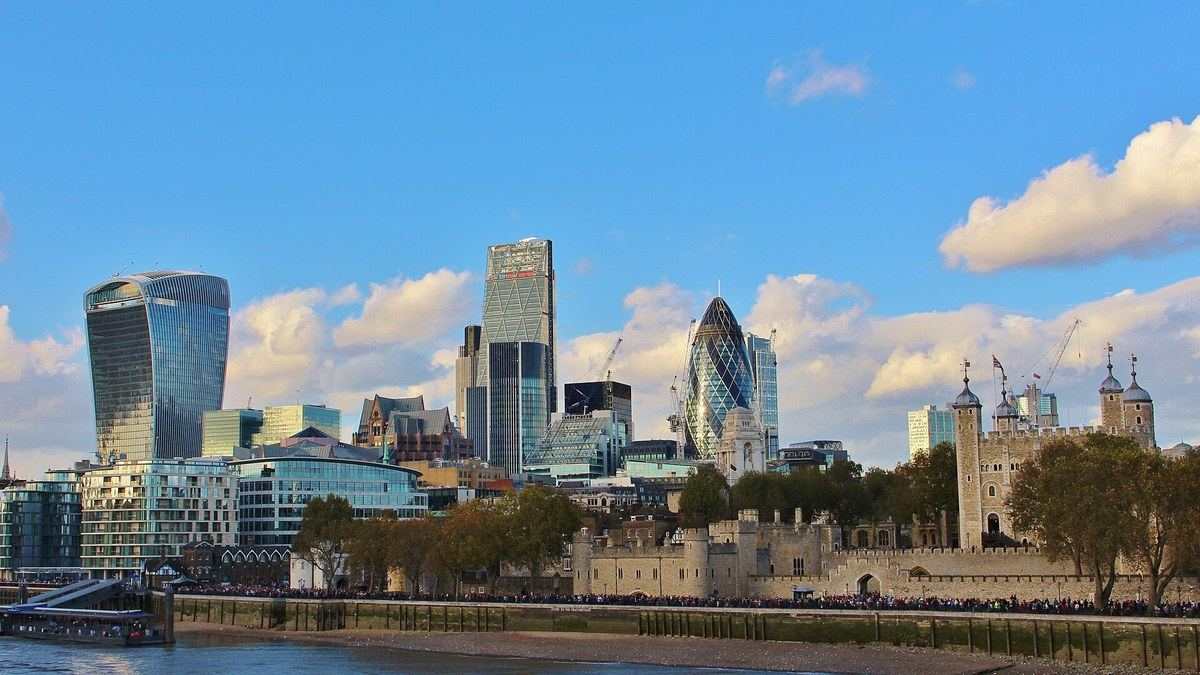
Photo: the City of London skyline (CC BY-SA 2.0), via Wikimedia Commons.
Video: Times Radio — "Healey's Takes Aim At Banks Ahead Of Budget".
Sources
- The Guardian (via AJ Bell) — Chancellor poised for tax raid on UK banks in Budget
- The Times — Bank shares fall over fears of Budget tax rise
- BBC News — Banks face possible £2bn tax increase as Chancellor considers Budget changes
- Reuters — UK's Healey says banks are key to economy but keeps tax options open
- The Oldham Times — John Healey Budget 2026: TUC calls for more tax on bank profits
Enjoyed this guide?
Britain Daily is an independent publication. Every guide is researched, written and carefully edited, and kept free forever. If this saved you time or made your life easier, please don't let the effort go unnoticed — support our work with whatever you can, from $1 upward. Every dollar keeps the guides coming.
💛 Donate via PayPal