Healey Rules Out Capital Gains Tax Hike at October 28 Budget — Banks to Foot the Bill Instead

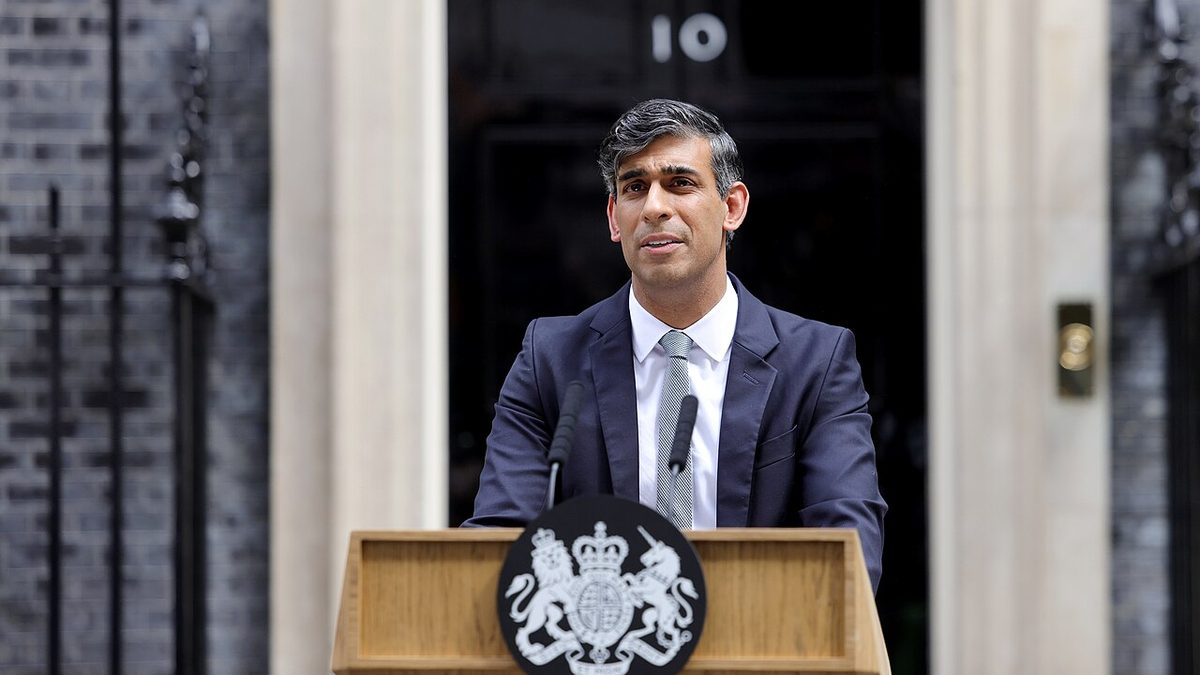
Photo: HM Treasury (Kirsty O'Connor) via Wikimedia Commons — Open Government Licence v3.0. Chancellor John Healey at the G20 in Asheville, August 2026.
This year's capital gains tax kite has just been shot down. Chancellor John Healey has rejected calls to raise capital gains tax at his first Budget on October 28, siding with the Treasury's growth worriers over the tax-the-rich wing of his own party.
The Times reported the decision on Monday evening, and Reuters carried it: Healey has ruled out the move after being warned it could cost the Exchequer money, not make it. Raise the rate too far and wealthy investors simply leave Britain or sit on their assets. The tax take falls.
It's a striking break from the noise inside the government. Allies of Prime Minister Andy Burnham — including cabinet ministers — had been pressing for a hike on the profits from second homes, shares and other assets to help plug the hole in the public finances. Louise Haigh, the first secretary of state, called for capital gains tax to be brought "closer to income tax rates" shortly before Burnham entered No 10. Wes Streeting and former Labour leader Lord Neil Kinnock had made similar noises.
Higher-rate taxpayers pay 24 per cent on capital gains, against up to 45 per cent on income. Closing that gap had become Labour's fashionable answer to the Chancellor's £35-36 billion problem. Healey has just said no.
What Healey said about growth
The Chancellor's reasoning is pure business-friendly signalling, and he laid it out last month in a speech that now reads like a trailer for the Budget. "I want to see this country as a country of wealth creation," he said. "I want our government decisions and policies to raise the levels of confidence, and investment, and profit in British business."
Lord O'Neill of Gately, who advised Burnham on the Northern Powerhouse project, was blunter. "Raising capital gains tax would send very much the wrong message to business," he told The Times.
He has promised a "steady as she goes" Budget on October 28 — a deliberate contrast with the mammoth tax-and-spend packages that defined the Rachel Reeves era. The Treasury, for its part, declined to comment on the story, offering only the classic line: decisions on tax are for the Chancellor to set out at fiscal events, not "routinely commenting on rumour, speculation or proposals."
Banks will pay instead
So where does the money come from? The Budget's main revenue-raising measure will be a levy on the banks — the surcharge raid briefed for weeks. The proceeds are earmarked for a targeted, temporary cost-of-living package for households and businesses.
Enjoyed this guide?
Britain Daily is an independent publication. Every guide is researched, written and carefully edited, and kept free forever. If this saved you time or made your life easier, please don't let the effort go unnoticed — support our work with whatever you can, from $1 upward. Every dollar keeps the guides coming.
💛 Donate via PayPalThere is a sting in the tail: Healey is expected to shrink the fiscal headroom — the rainy-day buffer — from £23 billion to around £15 billion. More room to spend now, less cover if the economy wobbles. The City will be watching that number as closely as any tax line.
One thing worth noting: the Financial Times reported last week that while Healey had rejected the big idea — matching CGT to income tax rates — a smaller increase was still under consideration. Monday's report goes further: no rise at all.
The politics of saying no
The decision leaves the Chancellor with a tricky fortnight. Conservative leader Kemi Badenoch is due to speak on Tuesday urging Burnham and Healey to "live within our means", pointing to a £70 billion package of Tory cuts — welfare and civil service headcount at the top of the list — as where to start.
And the public is not sold on anyone's maths. Ipsos polling of 1,077 Britons found 67 per cent think Healey is doing neither a good nor a bad job. Sixty-five per cent expect some form of tax rise anyway.
Business owners should not crack open the champagne just yet, either. the Chancellor is separately weighing a plan to tax family business handovers as income rather than capital gains — a move that could nearly double the tax bill on passing a £1 million firm down the line. Headline CGT may be staying put. The small print could still bite.
Twenty-eight October. Noon, after Prime Minister's Questions. That's when we find out what "steady as she goes" actually costs.
Editor's note: no broadcast video from a major UK outlet was available at the time of publication. We will add coverage from the Budget on October 28.
Sources
- The Times — Chancellor rejects calls to raise capital gains tax in autumn budget
- Reuters — UK's Healey rules out capital gains tax increase in budget, Times reports
- The Independent — Healey rejects calls to raise capital gains tax at the Budget
Photo: HM Treasury (Kirsty O'Connor) via Wikimedia Commons — Open Government Licence v3.0.
Enjoyed this guide?
Britain Daily is an independent publication. Every guide is researched, written and carefully edited, and kept free forever. If this saved you time or made your life easier, please don't let the effort go unnoticed — support our work with whatever you can, from $1 upward. Every dollar keeps the guides coming.
💛 Donate via PayPal