Jackdaw Gas Field: What the Expected Wednesday Approval Means for Britain's Bills, Jobs and the Climate
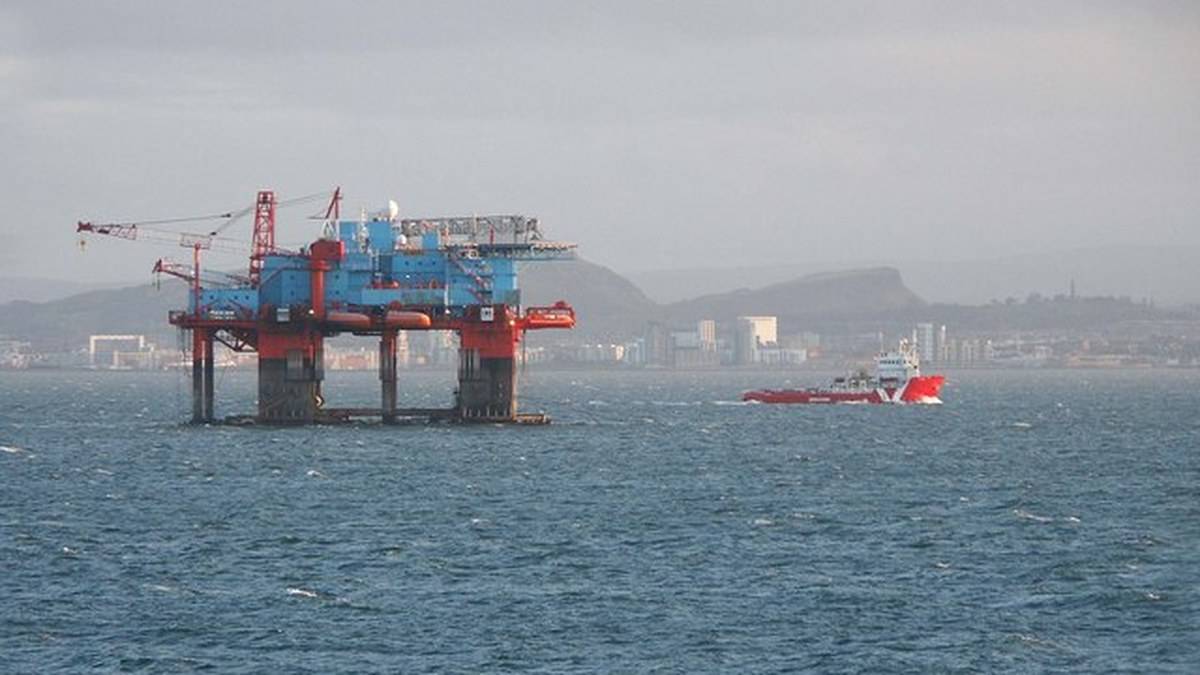
Photo: an offshore drilling platform in British waters. Image: Geograph Britain and Ireland — CC BY-SA 2.0, via Wikimedia Commons.
Aberdeen has seen this film before — the minister, the cameras, the promise of a decision. But this time the wait really does look over. Energy Secretary Miatta Fahnbulleh is expected to approve the Jackdaw gas field on Wednesday, ending nearly two years of limbo. The announcement, widely expected in Aberdeen alongside Chancellor John Healey, would set Jackdaw on course to flow gas before Christmas — the first major new North Sea field in almost a decade, according to The Times.
Jackdaw sits 150 miles east of Aberdeen, and it is a big deal by British standards. Its developers, Adura — a joint venture between Shell and Norway's Equinor — say the field could supply up to 6% of UK gas demand at full tilt, enough fuel to heat around 1.4 million homes, with 3,500 jobs at peak construction and nearly £4bn in taxes by 2034.
Jackdaw approval Wednesday: why it took so long
Jackdaw was approved once already — then unapproved. In January last year the Court of Session in Edinburgh ruled the original consent unlawful, because the environmental assessment never counted the emissions from actually burning the gas Jackdaw would produce. That followed a 2024 Supreme Court judgment forcing regulators to weigh those downstream emissions.
So the field has sat in regulatory purgatory. Now The Times reports that the offshore petroleum regulator for environment and decommissioning has signed off a fresh assessment under the new rules — and ministers will simply endorse it. Fahnbulleh told Sky News last week a decision on Jackdaw was "imminent", while warning a call on the larger Rosebank oil field "would take a little longer". The Department of Energy Security and Net Zero declined to comment.
The case for: jobs, tax, and fewer foreign imports
Strip away the rhetoric and the argument for Jackdaw is brutally practical. The UK still sources around 45% of its gas from the North Sea, and the basin is in long decline. Aberdeen's supply chain — the engineers, the welders, the logistics firms — is a genuinely world-class industry that needs new projects to survive. Unions back the field. So does Burnham, who has promised a "pragmatic approach" to the North Sea.
Enjoyed this guide?
Britain Daily is an independent publication. Every guide is researched, written and carefully edited, and kept free forever. If this saved you time or made your life easier, please don't let the effort go unnoticed — support our work with whatever you can, from $1 upward. Every dollar keeps the guides coming.
💛 Donate via PayPalThere is also the import question. Jackdaw's gas feeds directly into the domestic network, and analysts note it would displace imports — including liquefied natural gas, which carries a bigger carbon footprint to ship and chill than home-dug molecules. Shell, for its part, argues Jackdaw's emissions "will not materially influence global climate change". And with Donald Trump telling Burnham that Britain is "sitting on top of gold" and should drill harder, saying yes to Jackdaw buys some political breathing room too.
The case against: climate credibility is on the line
The climate case against Jackdaw is equally blunt. Greenpeace and Uplift — the two groups that won the original court challenge — argue that new North Sea drilling breaches Britain's climate commitments and won't cut a penny from household bills. They have a point on the bills: even supporters concede that bringing Jackdaw on stream is unlikely to move UK gas prices much, because British gas is priced against global markets. Displacing higher-carbon imports is a real benefit, but it is not a discount on your tariff.
Uplift's Tessa Khan has called the field oversold, saying Jackdaw would provide "around just 2% of our gas demand for roughly 10 years" while being largely unmanned and remotely operated — so the jobs story is thinner than advertised. "Labour's climate credibility is on the line," she said. "No new oil and gas fields are compatible with safe climate limits." That line stings because Labour's 2024 manifesto promised no new oil and gas licences — though ministers argue Jackdaw isn't new, since the wheels were already turning when they took power.
Even the UN's environmental chief, Inger Andersen, refused to play along with the outrage when asked. "We are hooked on hydrocarbons; we are completely addicted, and we can't just go cold turkey," she told The Times — while warning that short-term stopgaps like new fields need to be matched with a long-term vision for energy security and cutting carbon.
What happens next: Rosebank waits its turn
The honest read on Wednesday's announcement is this: it is a jobs-and-Treasury decision dressed in the language of energy security, made a week before the Budget, in the city most desperate to hear it.
The bigger test is Rosebank, the oil field 80 miles north-west of Shetland with much higher emissions. Approving gas at Jackdaw was the easy half of the argument. If Burnham's "pragmatic approach" stretches to Rosebank too, the row with his own backbenchers — and with the campaigners who won in court last time — will be louder than anything Wednesday brings.
Sources
- Sky News (via Classic FM) — "Controversial Jackdaw gas field expected to be approved by government" (20 October 2026)
- The Times — "New North Sea gas to flow after approval for Jackdaw drilling" (October 2026)
- Messenger Newspapers (PA Media) — "Government's long-awaited decision on Jackdaw gas field to be announced" (October 2026)
Enjoyed this guide?
Britain Daily is an independent publication. Every guide is researched, written and carefully edited, and kept free forever. If this saved you time or made your life easier, please don't let the effort go unnoticed — support our work with whatever you can, from $1 upward. Every dollar keeps the guides coming.
💛 Donate via PayPal