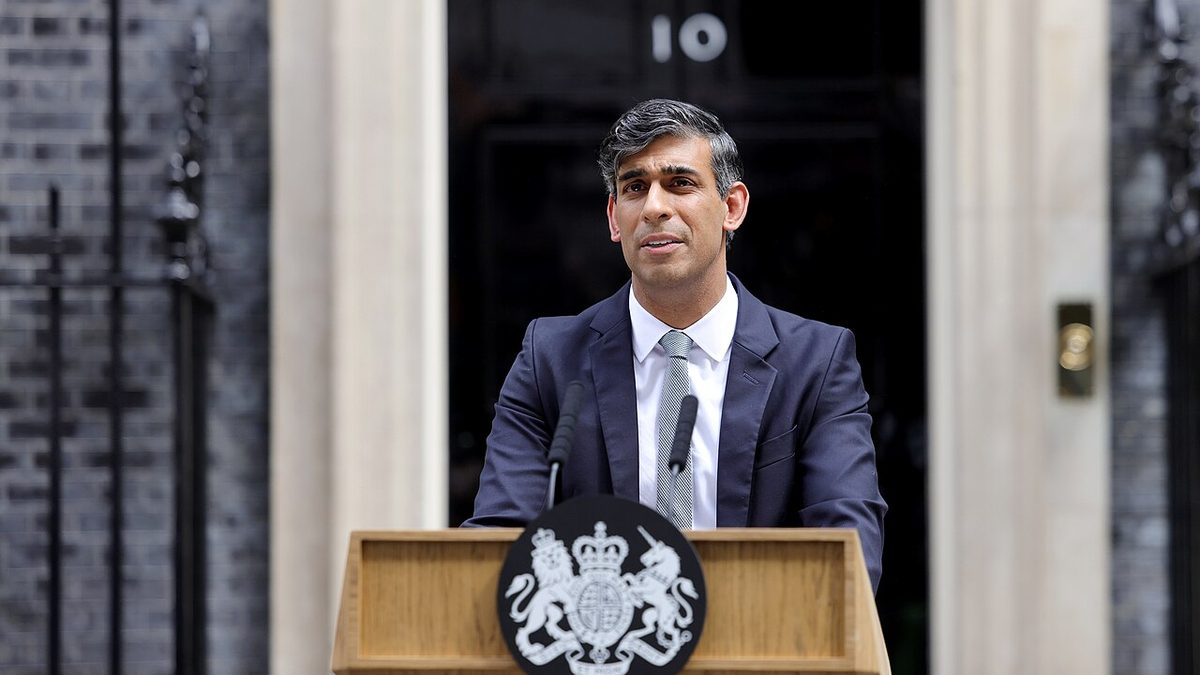
Blast Music on the Bus in England and It Could Cost You £100: Burnham's Loudcasting Crackdown
I have sat through many a Monday-morning commute with somebody else's playlist hammering out of a phone speaker three rows back, and I suspect most of Britain has done the same. It is one of those small miseries that inspires a special kind of fury — you cannot move, you cannot escape, and the culprit is completely oblivious. On Monday, the government decided it had heard enough: blast your music or videos out loud on a bus in England and you could be fined up to £100.
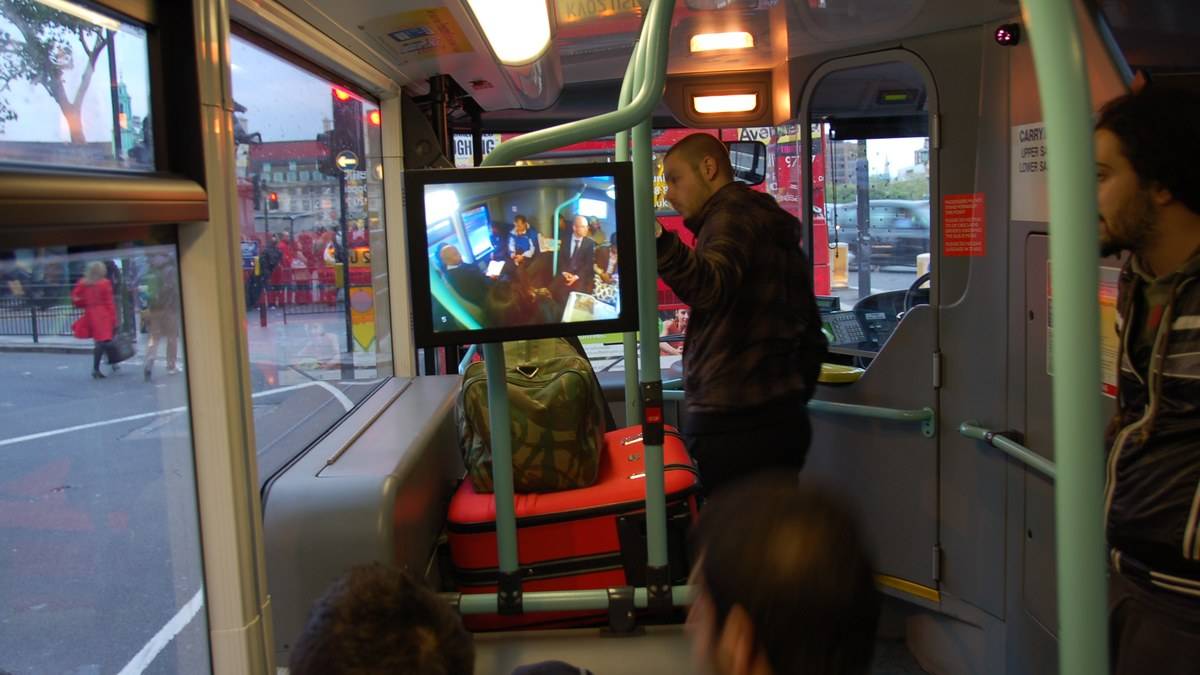
Photo: Ralf Roletschek via Wikimedia Commons (FAL). The interior of a London double-decker bus — the quiet setting the government's new campaign wants to protect.
The announcement, made by Andy Burnham on 19 October, comes in two parts. First, fresh guidance to local transport authorities on how to use their enforcement powers against nuisance behaviour on buses: loud music and videos played without headphones, vaping, littering and threatening conduct. Second, a national rail campaign with a slogan that will soon be plastered across every station in the land: “share the carriage, not the noise”.
The Prime Minister's message was bluntly personal. “We've all been on the train when someone starts blasting music or videos from their phone. It gets on your nerves and can quickly spoil the journey,” Burnham said. “So, we're launching a nationwide campaign reminding passengers to use headphones on trains. On top of that, we're giving local leaders new powers to tackle loud music, vaping and littering on buses. It's a simple thing, but one that will make journeys that little bit better for all of us.”
£100 fines for loud music on buses in England
Here is how the bus side actually works. The power itself is not brand new: the Bus Services Act 2025 gave local transport authorities in England the right to set and enforce their own rules on their bus networks, and the legal authority took effect on 5 August 2026. What was published on Monday is the government's guidance explaining how councils should actually use it — and each local byelaw still has to be signed off by the Transport Secretary before it can be enforced.
The fines top out at £100, and enforcement will not fall on the driver — a point the government has been careful to stress. Bus drivers will not be expected to play constable. Instead, authorised officers, including transport safety officers and police, will handle incidents: first an explanation of the rules, then enforcement if the passenger refuses to comply.
Transport Secretary Heidi Alexander pitched it as basic consideration. “It is so frustrating when the actions of an inconsiderate few spoil journeys for the rest of us, whether that is vaping, littering or blasting music out loud,” she said, adding that “small changes in behaviour can make a massive difference to people's experience on public transport.”
Enjoyed this guide?
Britain Daily is an independent publication. Every guide is researched, written and carefully edited, and kept free forever. If this saved you time or made your life easier, please don't let the effort go unnoticed — support our work with whatever you can, from $1 upward. Every dollar keeps the guides coming.
💛 Donate via PayPal“Share the carriage, not the noise” — the rail campaign
On trains, the approach is softer but the penalties already on the books are stiffer. Passengers can already be asked to leave a train for nuisance behaviour, and those who refuse can be fined up to £1,000. The new national campaign, run by the rail industry, replaces a patchwork of operator-specific appeals with one consistent message across stations, carriages, websites and social media.
The phenomenon has a name, or several. Campaigners call it loudcasting; it has also been dubbed sodcasting, after the phone's loudspeaker. Whatever you call it, the polling is grim for the offenders. A recent YouGov survey found roughly 60 per cent of voters back action against people who broadcast audio or video aloud in shared spaces, and polling from Ofcom, YouGov and Transport for London has consistently shown that the vast majority of people cannot stand it. Speakerphone conversations rank among Britain's top three commuting irritants.
Why the loudcasting crackdown is splitting commuters
It is not just Westminster getting in on the act. London mayor Sadiq Khan launched a “travel kind” campaign over the summer urging headphone use, and the Liberal Democrats went further, calling for fines of up to £1,000 for disruptive bus passengers — a figure that makes the government's £100 look cautious.
The sceptics have a point, and it is an obvious one. Train staff are thin on the ground, and it is genuinely unclear how many £100 bus fines will ever be handed out. A rule that is never enforced is just a poster. Burnham's team would presumably answer that the poster is the point: shame works faster than fines, and most people already use headphones — the campaign is aimed at the stubborn minority.
My own view, for what it is worth: this is one of those rare policies that is both popular and harmless. It costs the taxpayer almost nothing, it targets behaviour nearly everyone agrees is awful, and if it shames even one in ten loudcasters into plugging in, the country's mornings get noticeably better. The risk is that the whole thing fizzles into another unread poster behind the driver's seat. Keep an eye on whether your council actually writes the byelaw — that is where this lives or dies.
Editor's note: no video is embedded with this article — we could not verify a reputable-outlet video specifically covering this story on YouTube. The source links below carry the full reporting from the Scottish Sun, Britain's News, 10bmnews and BritBrief.
Sources
- The Scottish Sun — Noisy commuters face £100 fines for blasting music on buses and trains in new crackdown (19 Oct 2026)
- Britain's News — Government introduces bus penalties and rail campaign to curb disruptive behaviour (19 Oct 2026)
- 10bmnews — People playing loud music on buses could face £100 fine (19 Oct 2026)
- BritBrief — £100 bus fines for loud music in new antisocial behaviour crackdown (19 Oct 2026)
Enjoyed this guide?
Britain Daily is an independent publication. Every guide is researched, written and carefully edited, and kept free forever. If this saved you time or made your life easier, please don't let the effort go unnoticed — support our work with whatever you can, from $1 upward. Every dollar keeps the guides coming.
💛 Donate via PayPal