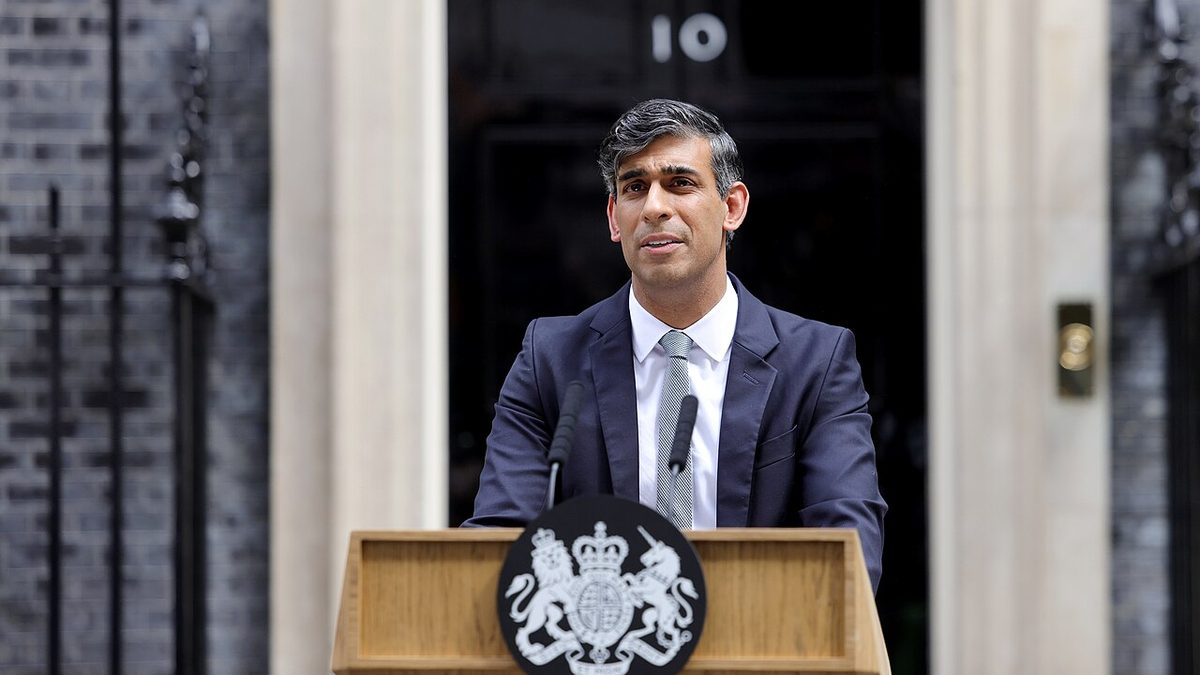
MI5 Chief Warns Russia, Iran and AI Are Supercharging Threats to Britain — Bioweapons Fear Tops Annual Threat Update
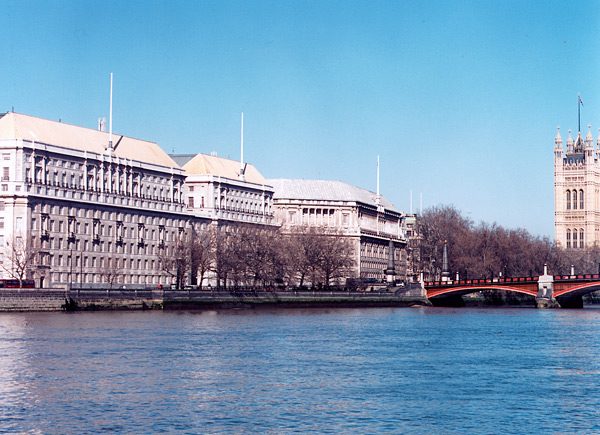
Britain's top spy has delivered the bluntest warning of his tenure: the threats facing the United Kingdom are growing faster, striking closer to home, and arriving in forms the country has never confronted before. Speaking at MI5 headquarters in London on Tuesday, 13 October, Director General Sir Ken McCallum said the country had entered a new era of national security, one he compared to the turning point that followed the 9/11 attacks.
According to Reuters, McCallum said MI5's caseload of state threats has quadrupled over the past decade, and the agency now devotes more resources to countering hostile states than at any time during the Cold War. His annual briefing spanned Russia, Iran, artificial intelligence, and a domestic terror threat increasingly driven by online extremism.
Russia: "aggressor number one"
McCallum left no doubt about which country tops MI5's list. According to Reuters, he called Russia "aggressor number one" and said Moscow is escalating hybrid warfare against Britain and its allies, using sabotage, cyber attacks, arson and disinformation while staying just below the threshold that would trigger a direct NATO military response.
Yet he also argued that Russia's covert machine is weaker than it looks. According to his account, almost 1,000 Russian officials have been expelled from embassies across the West since the full-scale invasion of Ukraine, gutting Moscow's traditional spy networks and leaving the Kremlin scrambling to pay criminals and exploit naive volunteers. Russia denies involvement in hostile acts in Britain, according to Arab News.
Iran: harder targets, more than 50 arrests
The sharpest escalation McCallum described concerned Iran. According to Reuters, Tehran has expanded its hybrid campaign against Britain over the past year and now shows ambition to strike harder targets, including military sites. Operations connected to Iran have led to more than 50 arrests in the UK over the past 12 months, he said.
According to USA Today, McCallum said Iran continues to use criminal proxies to intimidate dissidents, Iranian media organisations and Israeli sites in Britain, with much recent activity taking the form of arson and sabotage targeting Jewish communities. He declined to discuss the suspected plot against RAF Fairford, citing live investigations, but said such an incident was "not unique". A day earlier, Prime Minister Andy Burnham had said Tehran was "highly likely" behind the suspected Fairford plot, according to Reuters. Iran denies involvement.
Enjoyed this guide?
Britain Daily is an independent publication. Every guide is researched, written and carefully edited, and kept free forever. If this saved you time or made your life easier, please don't let the effort go unnoticed — support our work with whatever you can, from $1 upward. Every dollar keeps the guides coming.
💛 Donate via PayPalAI: the bioweapon warning
The most striking part of the speech concerned artificial intelligence. According to Channel News Asia, McCallum warned that AI is already "supercharging" the contest between attackers and defenders in cyberspace, producing tailored propaganda aimed at individuals. MI5 has caught suspected terrorists using AI to improve reconnaissance and attack planning, he said, with AI-enabled drones adding a new twist.
His greatest concern, he said, is that AI could change the stakes on bioweapons. Terrorist groups would dearly love to obtain chemical, biological or radiological weapons, McCallum said, but those weapons have historically been hard to acquire. AI could lower that barrier by putting dangerous knowledge into the wrong hands and by generating novel pathogens not previously seen, according to The Hindu. MI5 has set up a new AI Threat Assessment Centre to separate hype from reality.
Far-right extremism is skewing younger
On domestic terrorism, McCallum said the most marked trend of the past year has been the rise of extreme right-wing cases, according to ANews. Extremist versions of anti-immigration and anti-Muslim grievance are increasingly tipping into terrorist intent, he said, with cases skewing young and driven by online activity. Al-Qaeda and Islamic State continue to direct and inspire attacks, he added, but far-right growth accounts for much of the increased threat.
The speech included a startling illustration. According to ANews, McCallum disclosed that MI5 recently investigated a radicalised extreme right-wing 13-year-old in the UK, an investigation that generated intelligence enabling an international partner to prevent a lethal attack on its soil. He also cited a 16-year-old jailed for 10 years for plotting to attack an Islamic centre. His advice to families was direct: if parents fear a teenager is being drawn down dark paths online, they should speak to a teacher, a healthcare professional or someone they trust in their community.
What this means for ordinary Britons
McCallum announced no new powers and no change to the public threat level. What his speech explained was where MI5 is spending its effort, with the National Security Act 2023 now in heavy use. According to Sky News reporting carried by Radio X, the Act has produced dozens of arrests in the three years since it came into force, more than MI5 and police had anticipated. For the public, the message was vigilance rather than alarm: the threats are real and growing, but most are aimed at specific targets, from dissidents and journalists to Jewish and Israeli-linked sites, military facilities and infrastructure.
Sources
- Reuters: Iran and Russia ramping up hybrid campaigns in Britain, UK spy chief says
- Reuters: MI5 chief lists Iran, Russia, AI and terrorists among threats to UK
- Channel News Asia: AI could 'change the stakes' on bioweapons, UK spy chief warns
- The Hindu: MI5 chief says Iran targeting military sites, suspected plot at RAF Fairford 'not unique'
- USA Today: British spy chief warns of growing Iranian threat as war continues
- ANews: UK faces rising threat from far-right terrorism, warns MI5 chief
- Radio X / Sky News: AI 'supercharging' security threats to UK, MI5 warns
Enjoyed this guide?
Britain Daily is an independent publication. Every guide is researched, written and carefully edited, and kept free forever. If this saved you time or made your life easier, please don't let the effort go unnoticed — support our work with whatever you can, from $1 upward. Every dollar keeps the guides coming.
💛 Donate via PayPal