NHS Waiting List Hits Worst Level Since 2025 Despite Record Levels of Care
England's NHS waiting list has hit its worst level since 2025, new figures show — a sobering milestone that lands just as the health service heads into its most difficult season. An estimated 7.37 million treatments were waiting to be carried out at the end of August, relating to 6.24 million patients, according to NHS England data published on October 8.
The rise is the fourth in five months, and it comes despite the NHS delivering record levels of care: a record 4.7 million planned treatments, procedures and appointments were carried out across June, July and August — more than in any previous summer.
The numbers behind the headline
The August figure is up from 7.33 million treatments at the end of July, and is the highest since October 2025, when the list stood at 7.40 million. The number of people waiting more than a year to start routine treatment rose to an estimated 113,339, up from 111,379 in July.
The government's pledge is that 92% of patients in England will begin treatment within 18 weeks by the end of the current parliament in 2029. Currently, around 65% are treated within that timeframe — a standard the NHS has not met for a decade.
Running faster just to stand still
The paradox of the figures is the real story: the NHS is treating more people than ever, yet the list keeps growing. The reason is demand. A record number of new referrals is flowing into hospitals, and the health service cannot treat patients fast enough to offset the inflow. As analysts put it, the NHS is running faster just to stand still.
Professor Frankie Swords, NHS England's national medical director, praised staff for a record summer of elective care but warned the focus was now on "the looming winter months ahead" — noting the busiest September on record for A&E attendances and ambulance call-outs.
Enjoyed this guide?
Britain Daily is an independent publication. Every guide is researched, written and carefully edited, and kept free forever. If this saved you time or made your life easier, please don't let the effort go unnoticed — support our work with whatever you can, from $1 upward. Every dollar keeps the guides coming.
💛 Donate via PayPalOminous signs for winter
Senior health leaders are warning that winter pressures are already building. Hospitals reported 94.9% average bed occupancy in September — higher than a year ago — with more than 13,600 patients a day medically fit to be discharged but stuck in beds. Early respiratory viruses, including flu, are circulating earlier than usual.
Health Secretary Yvette Cooper said the NHS was dealing with "summer pressures now as well as winter pressures", and paid tribute to staff delivering record care alongside unprecedented emergency demand. Scotland, separately, has launched its own winter health plan with expanded Hospital at Home services and a £90 million investment in winter planned care.
What it means for patients and politics
For patients, the numbers translate into longer waits for operations, scans and appointments — and growing numbers waiting over a year. For the government, the figures are a political problem: waiting lists were supposed to be falling by now, and the Health Foundation has warned the key 18-week target will be missed.
The Budget on October 28 will be the first test of whether the government puts serious money behind the recovery. Until then, the arithmetic is unforgiving: treating a record number of patients is not enough if referrals keep rising faster.
Sources
- Sky News via Classic FM: NHS waiting list at its worst since 2025, new figures reveal
- Healthcare Management: NHS Waiting List Grows Fourth Time in 5 Months
- Caithness Business Index: New winter health plan to ease hospital pressures
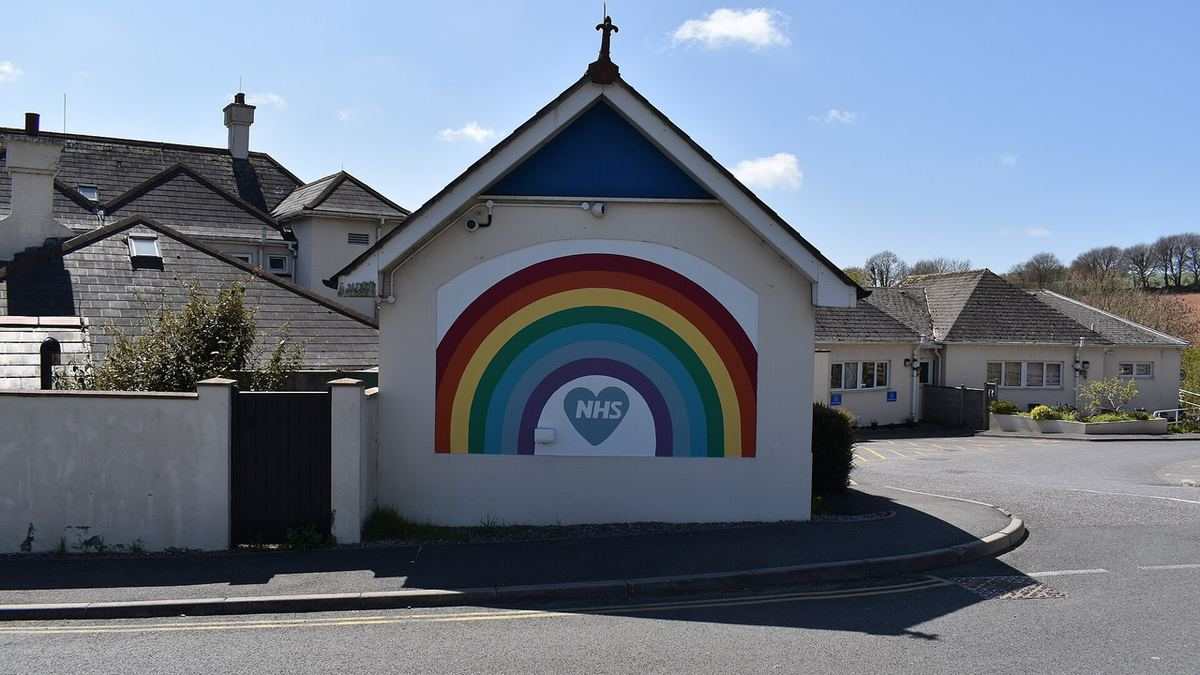
Photo: Wikimedia Commons (CC BY-SA 4.0) — Partonez (South Hams Hospital NHS mural).
Enjoyed this guide?
Britain Daily is an independent publication. Every guide is researched, written and carefully edited, and kept free forever. If this saved you time or made your life easier, please don't let the effort go unnoticed — support our work with whatever you can, from $1 upward. Every dollar keeps the guides coming.
💛 Donate via PayPal