Water Bills Set to Fall by £240 Million: Ofwat Hits Poor-Performing Firms — How Much You Could Save (Full Breakdown)
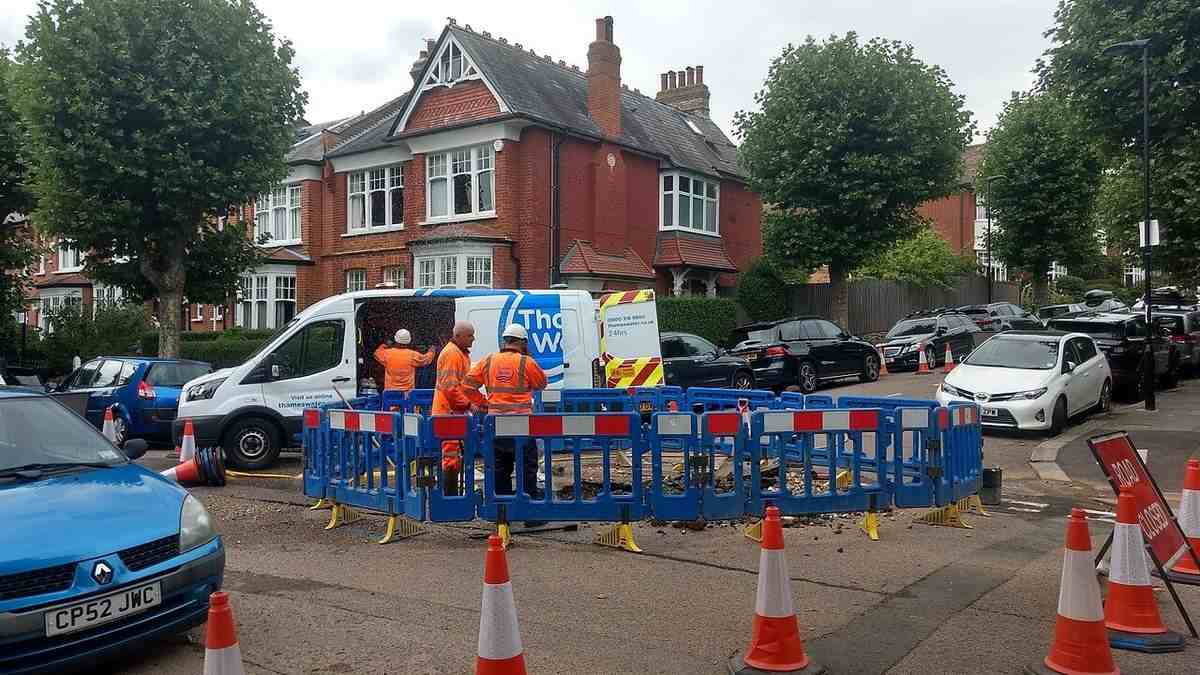
Households across Britain are set to get £240 million taken off their water bills by 2030 after the water watchdog hammered underperforming suppliers with penalties. Regulator Ofwat announced on Wednesday that it is proposing to hit a raft of water companies with payments for failing to meet targets on environmental performance and customer service in the 2025-26 financial year — and the money will be returned to households and businesses through their bills, according to Reuters.
The announcement lands at a painful time for family budgets, with water bills already on track for a 36% average rise over the five years to 2030. The total net bill reduction under the draft plans is £240 million by the 2029-30 financial year, with £107 million being returned through customer bills in 2027-28, Ofwat said on X. A final decision on the so-called outcome delivery incentive payments is expected by December 15, and the changes would take effect on bills from April 1 next year.
Yorkshire Water and Thames Water hit hardest
Not every company faces the same pain. Yorkshire Water and Thames Water will see the largest underperformance payments taken off bills under Ofwat's provisional plans, at £75 million and £46 million respectively, the regulator said.
For customers, that translates into real money. Yorkshire Water customers could see £27 knocked off their annual bills from April 2027 under Ofwat's provisional plans, while Thames Water households could get a £7 reduction, reported The Scottish Sun. The penalties reflect missed targets on environmental outcomes and the quality of service customers received.
The two firms are no strangers to Ofwat's enforcement action. Thames Water has faced repeated fines and enforcement penalties for wastewater failures and missed environmental schemes, while Yorkshire Water has been under pressure over sewage discharge performance. This time the mechanism is different: instead of fines that disappear into a Treasury pot, the payments come directly off customer bills.
Winners and losers: some bills could actually rise
Here is the twist Ofwat wants customers to understand: not every supplier is facing a penalty. Under the regulator's rules, companies that beat their performance targets are allowed to collect extra money through bills, while those that fall short face deductions.
The largest outperformance payments apply to Severn Trent and Northumbrian Water. As a result, Northumbrian Water customers could pay an extra £21 a year, while Severn Trent customers could see an £8 increase. Ofwat stressed that changes to bills are "affected by a range of factors and the effect will vary by company and customer type" — meaning your actual bill depends on your supplier, your tariff and where you live.
Enjoyed this guide?
Britain Daily is an independent publication. Every guide is researched, written and carefully edited, and kept free forever. If this saved you time or made your life easier, please don't let the effort go unnoticed — support our work with whatever you can, from $1 upward. Every dollar keeps the guides coming.
💛 Donate via PayPalConsumer groups have long argued the system rewards mediocrity dressed up as success. But Ofwat's framework is designed so that the industry as a whole returns more than it collects: the £240 million net reduction shows that underperformance across the sector currently outweighs outperformance.
The catch: a £3.4 billion tariff hike is still coming
Before celebrating, households should read the small print. The proposed bill reductions are likely to be offset for many customers by separate plans, announced by Ofwat, to allow water companies to increase annual tariffs by an extra £3.4 billion — on top of the 36% average rise already agreed over the five years to 2030.
That investment programme is meant to fund long-overdue upgrades: replacing Victorian pipes, building new reservoirs, cutting sewage spills and securing supply as climate change strains the system. The industry argues it has been chronically under-invested for decades. Customers, looking at rising bills for worse service, see it differently — and polls consistently show public anger at water firms paying shareholder dividends while polluting rivers.
The adjustments do not necessarily mean your total bill will fall, as other increases could outweigh the savings. In other words: the penalty money softens the blow, but for most households the direction of travel for bills is still upwards. As Ofwat itself put it, the effect on any individual customer will "vary by company and customer type".
What happens next
Ofwat will consult on the draft determinations and make its final decision by December 15, with the changes taking effect from April 1. The regulator sets performance commitments for each company, with service levels they are expected to achieve over the five years to 2030.
For bill-payers, the practical advice is simple: check which company supplies your area and whether it is one of the penalised or rewarded firms, because that decides whether your bill goes down or up. And with the Autumn Budget due later this month, energy and water costs are firmly back at the centre of the cost-of-living debate the Chancellor will have to answer.
Sources
- Reuters — UK regulator proposes to cut water bills by $319 million
- The Scottish Sun — Households to get £240MILLION off bills as watchdog hits water companies for poor performance
- Glasgow Times — Water bills set to fall by £240million – but there's a catch
- Leigh Journal — Water firms set to return £240m to customers by 2030 for poor performance
Enjoyed this guide?
Britain Daily is an independent publication. Every guide is researched, written and carefully edited, and kept free forever. If this saved you time or made your life easier, please don't let the effort go unnoticed — support our work with whatever you can, from $1 upward. Every dollar keeps the guides coming.
💛 Donate via PayPal