RAF Chinooks to Fight Wildfires From the Sky for the First Time in British History
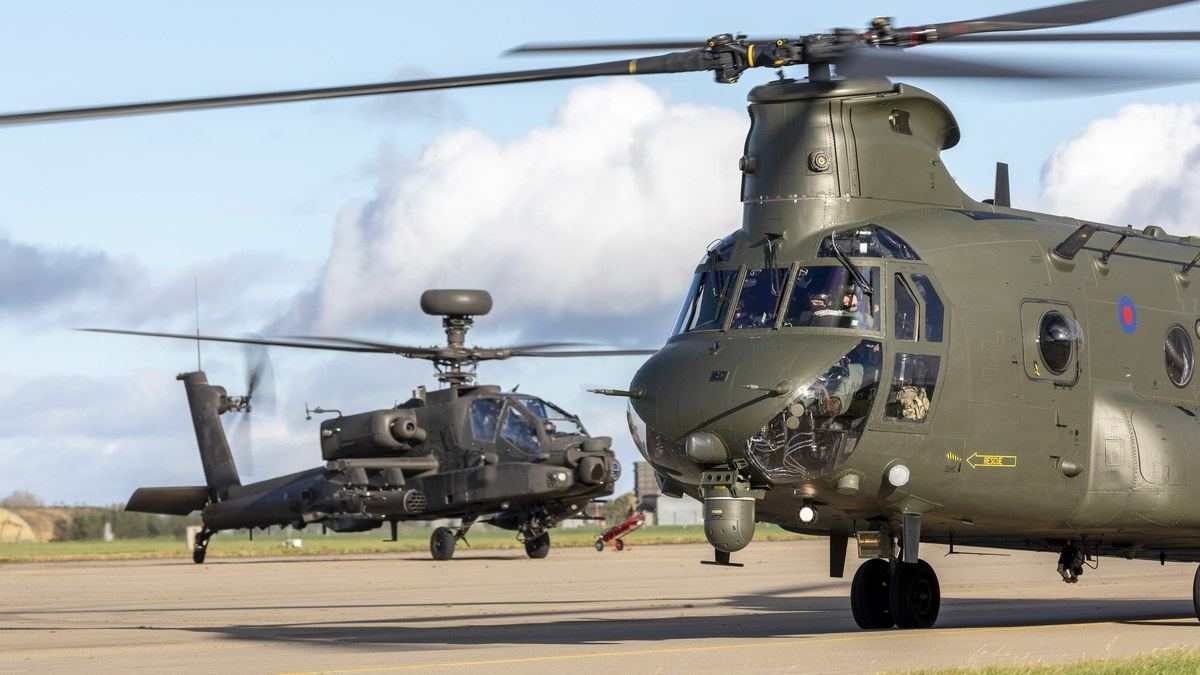
Photo: MOD Photographer, via Wikimedia Commons (Open Government Licence v1.0) — file photo
This summer, Britain burned and the people fighting the fires had no wings. In North Wales, officials waited twelve days for a single private helicopter to reach a blaze at Rhinogydd. Near Aviemore, a wildfire ate through ten square miles of the Cairngorms while military helicopters offered for the job could only ferry people around — they had no way to drop water. On Thursday, the government finally moved: RAF Chinook helicopters and A400M transport aircraft are being equipped to fight wildfires from the sky, the first permanent military aerial firefighting capability in British history.
Announced ahead of a wildfire resilience summit hosted by Prime Minister Andy Burnham, the package lands after the hottest summer on record. The Met Office has found that climate change made this year's extreme heat around 130 times more likely. In Stourbridge, where fires destroyed 19 homes, the Prime Minister says he "stood and watched families lose everything" — a line he returned to in Thursday's announcement, adding that firefighters were "heroes that day, but heroes shouldn't have to fight with one hand tied behind their backs."
Chinooks and A400Ms — what the RAF will actually do
The plan is straightforward: Chinook helicopters — the same heavy-lift workhorses that can carry a Bambi Bucket under their belly — and A400M transport aircraft will be fitted with specialist firefighting equipment and held ready to support fire crews on request. They will be sent to the places fire engines cannot reach: remote moorland and steep hillsides.
Defence Secretary Wes Streeting said the step-up was a response to the growing threat: "As the threat of wildfires in the UK grows, defence will step up to provide greater support to our emergency services and protect military training areas across the country." According to Reuters, the aircraft will be available to support emergency services battling blazes in remote areas — available on request, rather than held on permanent standby, which keeps costs down while putting real muscle behind the response.
£45m for crews, £25m for peatlands
The aircraft are the headline, but the money underneath is just as significant. Up to £45 million will go to specialist wildfire response teams and state-of-the-art personal protective equipment — lighter, more breathable kit than the building-fire uniforms crews currently wear for hours on end in extreme heat. Another £25 million will restore dried-out peatlands in England so they hold water and act as natural firebreaks, and farmers will get financial support to fireproof their land by digging ponds and clearing burnable material.
Enjoyed this guide?
Britain Daily is an independent publication. Every guide is researched, written and carefully edited, and kept free forever. If this saved you time or made your life easier, please don't let the effort go unnoticed — support our work with whatever you can, from $1 upward. Every dollar keeps the guides coming.
💛 Donate via PayPalAn AI unit, the Met Office and lessons from abroad
A new Wildfires AI Unit inside COBR's National Situation Centre will pull together universities, tech firms and government to spot and fight fires faster. The Met Office will work with ministers on better forecasting and risk assessment. And today Burnham brings fire chiefs, local leaders and experts together with companies including Airbus, Google and VodafoneThree — the idea being to take satellite monitoring, early warning systems and aerial capability seriously at last.
Ministers will also meet the devolved governments to align the response across the whole of the UK.
The summer that forced the change
None of this arrived out of nowhere. More than 200 blazes broke out across England and Wales in a single two-week period this year, and the country had no dedicated aerial firefighting aircraft of its own. The MoD's water-capable Chinooks were thousands of miles away in Cyprus under long-standing agreements, and none of Britain's 49 fire and rescue services could put a water-bombing aircraft in the sky on their own. The Stourbridge devastation — 19 homes gone in hours — became the image of a season when the system simply could not cope.
What happens next
The summit on Friday is where the detail gets thrashed out, alongside England's first Wildfire Action Plan. The equipment fits will take time, and the £45 million and £25 million are phased commitments, not instant fixes.
Still, this is a genuine shift. For the first time, wildfire is being treated in Whitehall as a national-security-scale threat, with military aircraft, AI prediction and a cross-government action plan behind it. Britain's summers are not cooling down, and the country that watched Stourbridge burn has decided it will not watch it happen the same way twice.
Sources
- GOV.UK — Military planes and helicopters to fight wildfires from the sky (22 October 2026)
- Reuters — Britain to use military aircraft to fight climate change-fuelled wildfires (22 October 2026)
- The Times — Streeting warns of food shortages and resilience strategy, including wildfire measures (22 October 2026)
- Brit Brief — RAF aircraft to fight wildfires as UK unveils £45m plan and 'Be Ready' campaign (22 October 2026)
Enjoyed this guide?
Britain Daily is an independent publication. Every guide is researched, written and carefully edited, and kept free forever. If this saved you time or made your life easier, please don't let the effort go unnoticed — support our work with whatever you can, from $1 upward. Every dollar keeps the guides coming.
💛 Donate via PayPal