Real Living Wage Rises to £14.10 an Hour — Half a Million Workers Get £1,250 Pay Boost
There are roughly half a million people in this country whose hourly pay is about to jump by 65p — and unlike the statutory minimum wage, their employers signed up for it voluntarily. This month, the Living Wage Foundation confirmed the Real Living Wage now stands at £14.10 an hour across the UK, and £15.45 an hour in London. For a full-timer, that's an extra £1,250 in the pay packet over the next year. In a cost-of-living crisis that refuses to die down, it's genuinely big news.
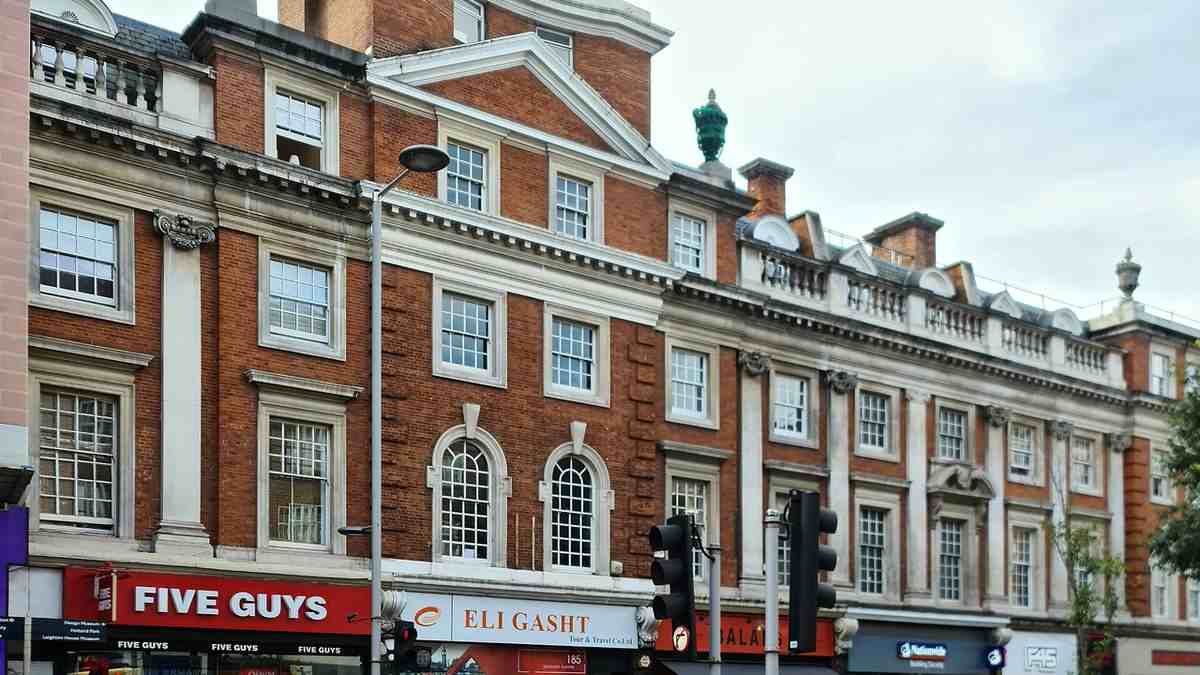
Photo: Ricardalovesmonuments via Wikimedia Commons, CC BY-SA 4.0
I'll be honest: the Real Living Wage flies under the radar for most people. It's not the government's legal minimum — that's the national living wage, currently £12.71 an hour for over-21s, and it's a legal floor employers must clear. The Real Living Wage is different. It's set independently by the Living Wage Foundation, based on the actual cost of living, and paid by employers who choose to sign up. Nearly 17,000 of them now do, including IKEA, Uniqlo, Lush, Everton FC, National Express and Santander. Half of the FTSE 100 are accredited.
Real Living Wage 2026: what changed and who's affected
The numbers are straightforward. The UK-wide rate went from £13.45 to £14.10 an hour — a 4.8% increase — while the London Living Wage climbed from £14.80 to £15.45, up 4.4%. According to the charity, almost 500,000 employees across those accredited firms will see the bump in their pay. The foundation says the rate is now worth more than £2,700 a year over the legal minimum nationally, and over £5,300 more in London.
Emily Sawh, co-director of the Living Wage Foundation, said the increase would make a massive difference to hundreds of thousands of workers and their families up and down the country — and that they'd be over £1,250 better off this year, helping them achieve what she called the decent standard of living they need to thrive. You can argue about the phraseology, but the arithmetic is the arithmetic.
Enjoyed this guide?
Britain Daily is an independent publication. Every guide is researched, written and carefully edited, and kept free forever. If this saved you time or made your life easier, please don't let the effort go unnoticed — support our work with whatever you can, from $1 upward. Every dollar keeps the guides coming.
💛 Donate via PayPalWhat workers themselves are saying
Here's the part that actually lands: the quotes from people on the receiving end. Alessandro Dudech, Uniqlo's UK chief operating officer, said the latest increase would make a meaningful difference to employees, helping them manage everyday costs and supporting their wellbeing. One Uniqlo employee at Manchester's Trafford Centre, Jammy Rachatamahachoti, said knowing the company was working toward competitive salaries reflecting the realities of daily life made her feel supported and appreciated.
And then there's the barista at SEND Coffee in London, quoted by the foundation, who laid it out bluntly: life was tough on £13 an hour in a previous job, bills tight with travel and food, no expendable income for general life. Rent up, food shop up, gas and electricity up, petrol skyrocketing. That one paragraph tells you more about Britain in 2026 than any inflation chart.
Living wage increase October 2026: does your employer pay it?
The awkward question this raises is the one millions of workers will be asking this week: does my employer pay the Real Living Wage? The foundation runs an accredited employers search tool where you can check. If you're on the statutory £12.71, the gap between that and £14.10 is the difference between scraping by and breathing a little — around £2,700 a year for full-time hours.
There's a bigger story here too. Twenty-five years after the campaign began, the Real Living Wage has quietly become one of the most successful worker-led movements in modern Britain — all of it voluntary, all of it driven by employers deciding they wanted the badge. No legislation required. In an era when every pay debate ends in a Westminster shouting match, that might be the most remarkable thing about this week's announcement.
Sources
- The Sun: Half a MILLION workers to get pay rise of over £1,250 a year
- Glasgow Times: Workers celebrate Real Living Wage UK rise to £14.10 an hour
- Ghanamma: How much is the minimum wage?
Enjoyed this guide?
Britain Daily is an independent publication. Every guide is researched, written and carefully edited, and kept free forever. If this saved you time or made your life easier, please don't let the effort go unnoticed — support our work with whatever you can, from $1 upward. Every dollar keeps the guides coming.
💛 Donate via PayPal