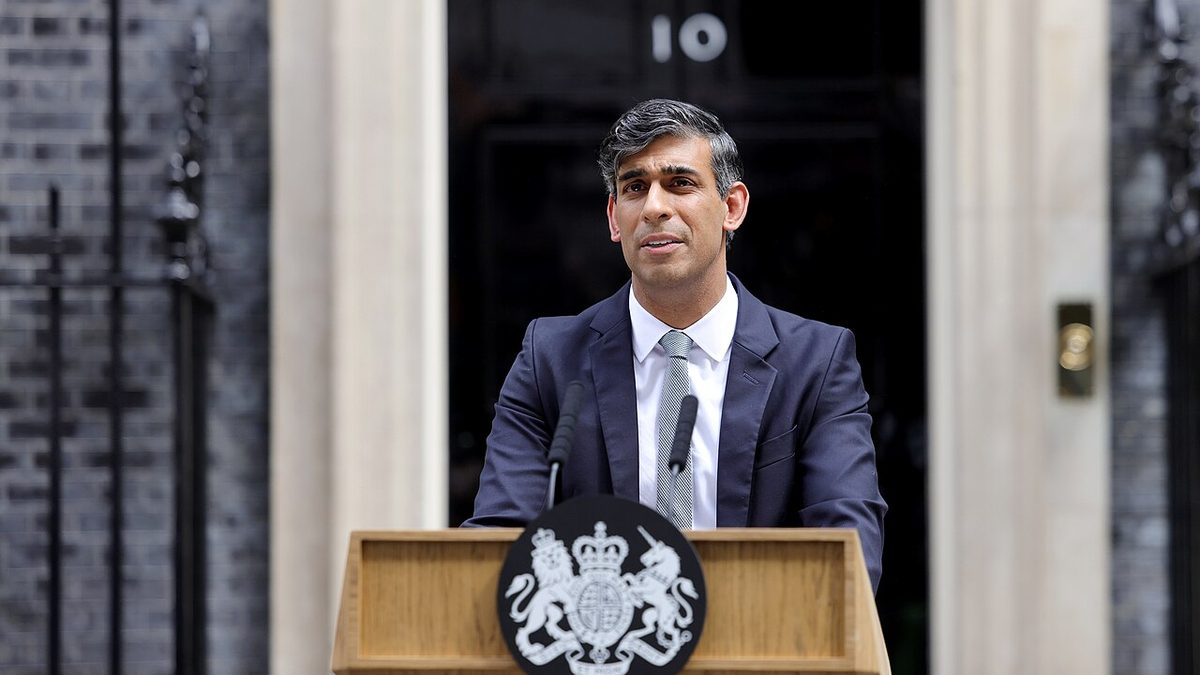
Rejoin EU Debate: MPs to Debate Petition Calling on Britain to Reapply for EU Membership
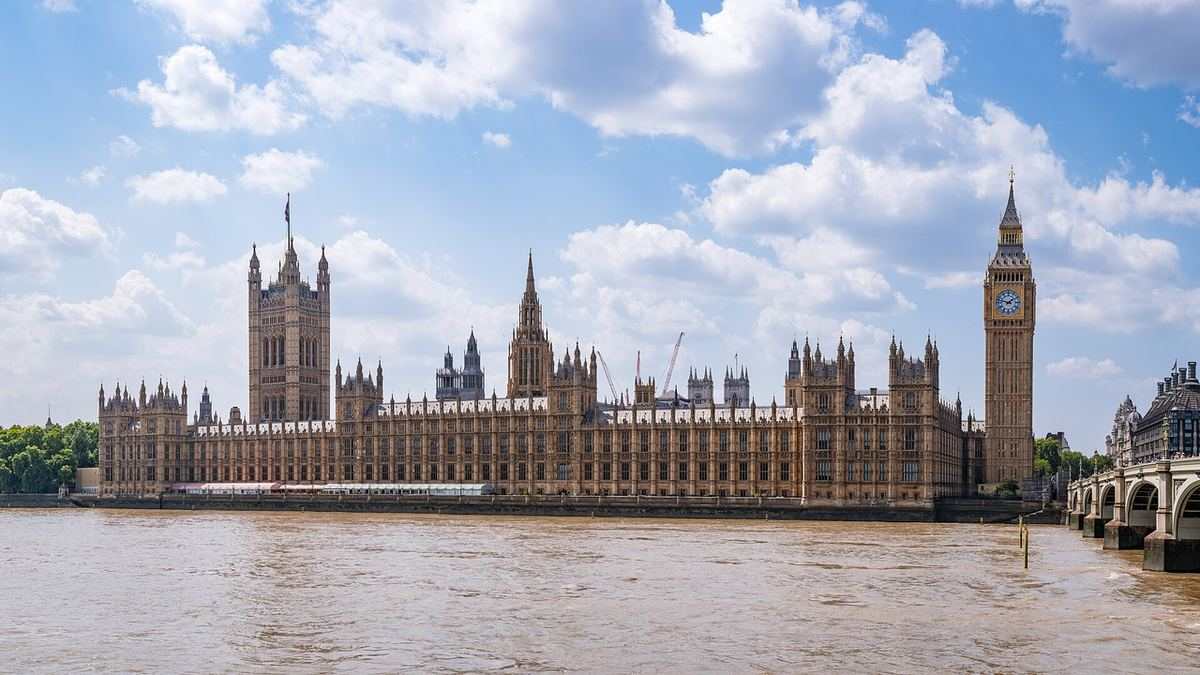
Ten years after the Brexit vote, the question of Britain's relationship with the European Union is back on Parliament's agenda — formally, publicly, and on the first day MPs return from their conference recess. On Monday afternoon, MPs will debate a petition calling on the Government to apply to rejoin the EU, a petition signed by almost 112,000 people.
The debate, scheduled for 4:30pm in Westminster Hall and opened by Labour MP Tony Vaughan, will be the first time parliamentarians have discussed rejoining since Andy Burnham signalled at his party conference that all options on closer ties with Europe should be on the table.
The petition behind the debate
The petition — titled "Apply to Rejoin the EU as soon as possible to increase growth in the UK" — argues that ten years after the vote, Brexit has damaged trade, shrunk the economy and narrowed opportunities, and that rejoining would boost growth, tax revenues and Britain's global standing.
It passed the 100,000-signature threshold that triggers a parliamentary debate. According to reports, support was strongest in pro-Remain areas including Brighton, Hastings & Rye and Cambridge — though only 147 signatures came from Burnham's own Makerfield constituency, a detail his critics have seized on.
The Government's position — and Burnham's shift
The Government's formal response, issued in January under Sir Keir Starmer, said Britain would not rejoin the EU and would instead pursue a reset and a new strategic partnership with Brussels. But Burnham has moved the dial since taking over in July. Speaking after his first conference speech as Labour leader, he said public opinion had shifted, that the economic costs of Brexit could no longer be ignored, and that the country needed an honest conversation about its future relationship with Europe before the next election.
Polling suggests he has a point — at least in London. A Savanta survey found two-thirds of Londoners would vote to rejoin in a fresh referendum, rising to 85% among 18-to-34-year-olds.
Enjoyed this guide?
Britain Daily is an independent publication. Every guide is researched, written and carefully edited, and kept free forever. If this saved you time or made your life easier, please don't let the effort go unnoticed — support our work with whatever you can, from $1 upward. Every dollar keeps the guides coming.
💛 Donate via PayPalWhat the numbers say about Brexit's cost
The economic argument underpinning the petition is disputed but substantial. The Office for Budget Responsibility continues to assume that the post-Brexit trading relationship will leave long-run UK productivity around 4% lower than if Britain had remained in the EU, with imports and exports roughly 15% lower. The Commons Library notes a broad consensus among economists that Brexit has left the economy smaller than it would otherwise have been, even if the precise size of that effect remains contested.
Where the parties stand
Expect the debate to expose a familiar fault line. The Liberal Democrats, SNP, Plaid Cymru and Greens are expected to back rejoining. Reform UK and the Conservatives are firmly opposed — Nigel Farage has warned that reopening the question would hand Reform a gift in the Leave-voting Red Wall seats, while the Conservatives have pledged to reverse any Labour reset measures.
The timing could hardly be more charged: Burnham became the first prime minister to state publicly that Russia interfered in the 2016 referendum, putting the legitimacy of the original vote back in the headlines on the same day MPs debate its reversal.
What happens next
The debate itself changes nothing — it requires no vote and triggers no negotiations. But it puts the rejoin question formally before Parliament for the first time in a decade, and it forces every party to show its hand. With a general election expected before 2029, Monday's debate may be remembered as the moment Brexit stopped being a settled question.
Sources
- UK Parliament: Westminster Hall debate — e-petition on the UK applying to rejoin the EU
- LabourList: 'Playing it safe on Europe is the riskiest thing Labour can do'
- Brussels Morning: Brexit Debate — 5 Powerful Changes Reshaping UK-EU Ties
- Breaking Brexit News: MPs debate EU rejoin bid after Burnham Brexit U-turn
Photo: Wikimedia Commons (CC BY-SA 4.0) — Christian David.
Enjoyed this guide?
Britain Daily is an independent publication. Every guide is researched, written and carefully edited, and kept free forever. If this saved you time or made your life easier, please don't let the effort go unnoticed — support our work with whatever you can, from $1 upward. Every dollar keeps the guides coming.
💛 Donate via PayPal