UK to Jail Undersea Cable Attackers for 14 Years as 1885 Law Finally Gets Rewritten
There is a law on Britain's books that fines you £1,000 for damaging the cables under the sea. It was written in 1885, when the threat was a fisherman's anchor, not a hostile state. On Thursday, the government finally admitted that is not good enough.
Telecoms minister Ian Murray has confirmed a white paper on undersea infrastructure, published today, that proposes prison sentences of up to 14 years — up from five — and unlimited fines for attacks on subsea cables and pipelines. Companies that own the cables would face new duties to spot sabotage and espionage risks, and the government will consult industry over the next 12 weeks before rewriting the legislation in this parliament.
This is one of those stories that sounds technical until you hear the numbers. Subsea fibre-optic cables carry around 99% of Britain's international data — every message, video call, bank transfer and online shop. Undersea pipelines deliver 74% of the country's gas, and a growing grid of undersea power cables keeps the lights on. Cut enough of them, and daily life does not slow down. It stops.
Why the UK's undersea cable law is being rewritten now
The current law, the Submarine Telegraph Act of 1885, was designed for accidental damage. It originally set a £100 fine, upgraded to £1,000 in 1982. Through secondary legislation the government could push that to £5,000 — but as ministers have conceded, that "doesn't seem to meet the needs of the situation" when the threat is deliberate sabotage by a hostile actor's proxies.
Parliament's own inquiry into subsea cable resilience, debated in the Commons, found the UK's defences in a sorry state: responsibility scattered across at least eight departments and seven agencies, contingency planning that largely ignored the possibility of a coordinated attack, and landing stations where the cables come ashore left vulnerable. The committee's verdict was blunt — the approach "is no longer good enough".
Enjoyed this guide?
Britain Daily is an independent publication. Every guide is researched, written and carefully edited, and kept free forever. If this saved you time or made your life easier, please don't let the effort go unnoticed — support our work with whatever you can, from $1 upward. Every dollar keeps the guides coming.
💛 Donate via PayPalThe urgency is real. Russia has been accused of running a covert operation against cables and pipelines in waters north of the UK, using three submarines. In the Baltic, Sweden seized a cargo ship in January on suspicion of cable sabotage. The China Strategic Risks Institute examined 12 suspected sabotage incidents between 2021 and 2025 and found eight of the ten identified vessels linked to China or Russia. The trick, investigators keep finding, is deniability: a dragged anchor looks like an accident, and the Kremlin is believed to hire criminals as proxies.
What the new undersea infrastructure law would do
Murray told the Sky News Defence Insider app he would move "as quickly as possible". The headline changes: tougher criminal penalties, a legal duty on cable and pipeline operators to identify sabotage risks, and new national-security powers. "Undersea cables are the hidden backbone of modern Britain, carrying the data we rely on every day to message friends and family, do our banking, and run our businesses," Murray said in a statement. "The threats we face have changed dramatically, with suspicious Russian activity around critical undersea infrastructure, yet some of the laws protecting these vital connections date back more than a century."
The 12-week consultation matters more than it sounds. The government is asking industry — the telecoms firms and energy companies that actually own the cables — what the law should require of them. That is an admission that Whitehall cannot do this alone: the private sector lays the cables, maintains the landing stations and operates the repair ships, and until now the law asked almost nothing of them on security.
The honest caveat: no law stops a submarine. What it can do is raise the cost for the middlemen — the proxies, the cut-outs, the crews — and force the companies profiting from the cables to take security seriously instead of treating it as someone else's problem. Fourteen years in prison is a very different deterrent from a £1,000 fine.
Sources
- Sky News (via Great Yorkshire Radio): UK seeks tougher punishments to deter undersea pipeline attacks
- Hansard: Commons debate — Subsea telecommunications cables: resilience and crisis preparedness
- The Register: UK eyes new laws over cable sabotage
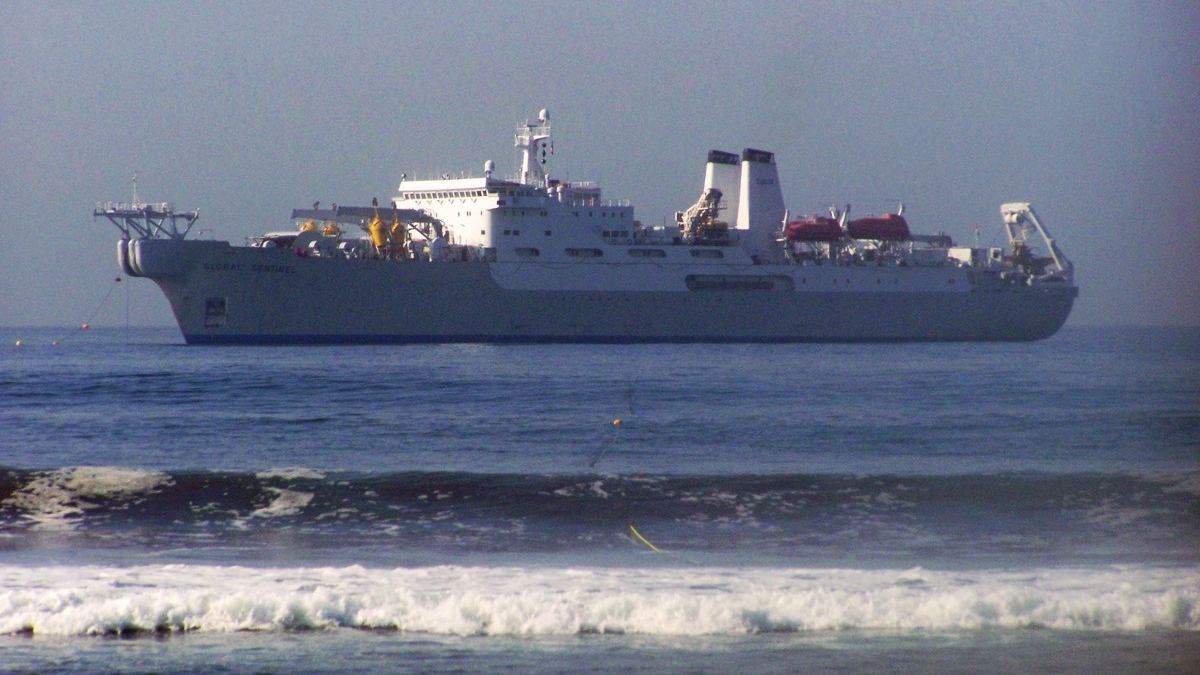
Photo: Cable ship Global Sentinel — Nc tech3, CC BY-SA 4.0, via Wikimedia Commons.
Enjoyed this guide?
Britain Daily is an independent publication. Every guide is researched, written and carefully edited, and kept free forever. If this saved you time or made your life easier, please don't let the effort go unnoticed — support our work with whatever you can, from $1 upward. Every dollar keeps the guides coming.
💛 Donate via PayPal