Borrowing Overshoots Again and UK Debt Smashes Through £3 Trillion — Healey's Budget Gets Brutal
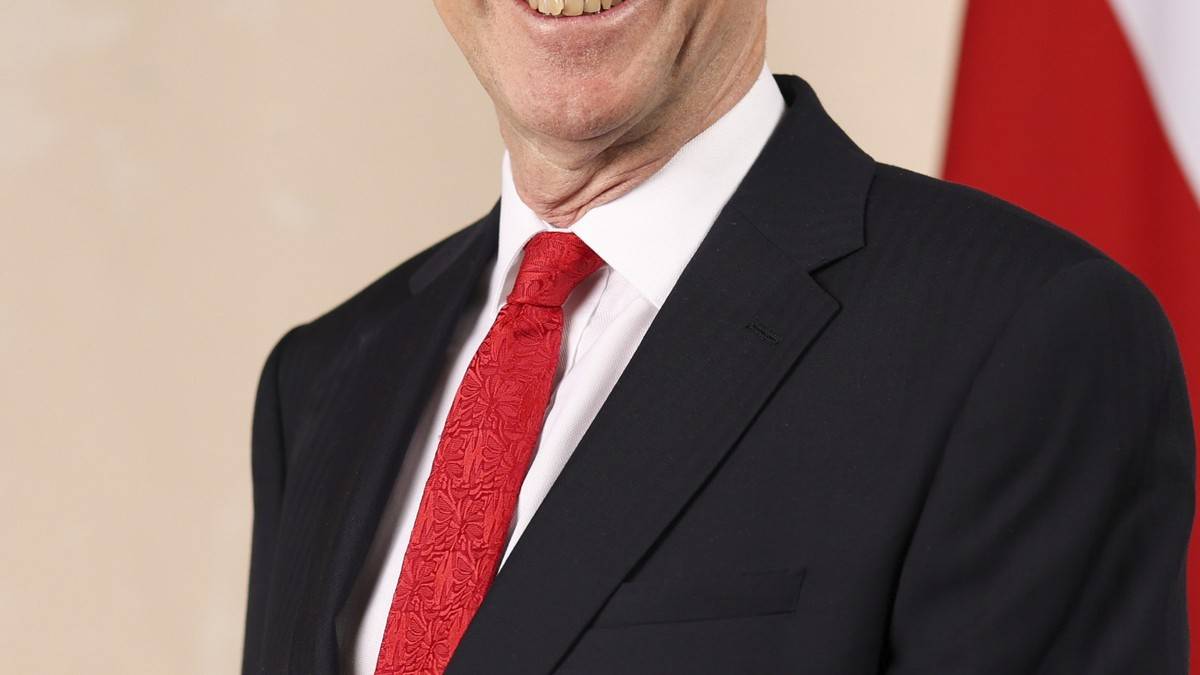
Photo: Lauren Hurley / No 10 Downing Street, via Wikimedia Commons (Open Government Licence 3.0)
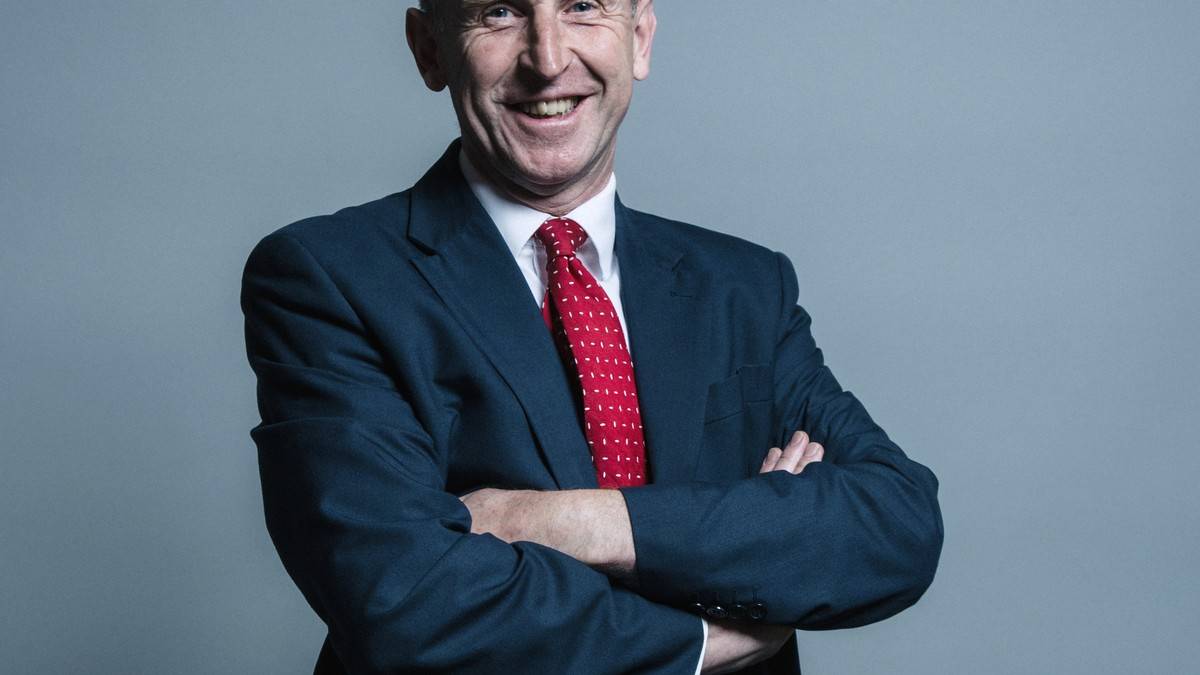
John Healey has seven days. Next Wednesday he stands at the despatch box to deliver his first Budget — and this morning the official numbers handed him the worst possible send-off. The government borrowed far more than expected in September, and Britain's national debt has smashed through £3 trillion for the very first time.
It is hard to overstate how tight this leaves the Chancellor's room for manoeuvre. The Office for National Statistics said on Wednesday that public sector net borrowing reached £24.5 billion in September — £1.8 billion more than the same month last year, a rise of 7.7 per cent, and well above the £24.1 billion that economists had widely forecast. A Reuters poll of City analysts had pointed to a deficit of £23.85 billion. The actual figure beat that too.
Over the first six months of the 2026/27 financial year, the shortfall now stands at £97.8 billion. That is down by £4.4 billion compared with a year earlier — but it sits £6 billion above the forecast the Office for Budget Responsibility made in March, before the Iran war began reshaping global markets.
£3 trillion debt — and £10.9bn a month just to stand still
The headline number is the one that will haunt the Budget debate: public sector net debt is estimated to have exceeded £3 trillion for the first time, up £91.7 billion on a year earlier. There is a silver lining of sorts — as a proportion of the economy, debt is lower than it was a year ago, the ONS said — but it offers little comfort when the servicing costs look the way they do.
Central government debt interest hit £10.9 billion in September alone, the largest September figure on record and up £1.6 billion on last year. Total government spending rose 5.6 per cent to £111.3 billion in September, with net spending on social benefits up £1.6 billion to £30.6 billion.
Enjoyed this guide?
Britain Daily is an independent publication. Every guide is researched, written and carefully edited, and kept free forever. If this saved you time or made your life easier, please don't let the effort go unnoticed — support our work with whatever you can, from $1 upward. Every dollar keeps the guides coming.
💛 Donate via PayPalAccording to The Times, the OBR is widely expected to warn next week that debt interest spending will exceed £100 billion every single year until at least the 2030s — more than the entire education budget.
What the £3 trillion debt figure means for the Budget on 28 October
The Chancellor's problem is not just the size of the numbers; it is that his margin for error keeps shrinking. As Reuters reports, rising global borrowing costs since the start of the Gulf conflict have gobbled up the headroom he might once have had. Healey is widely expected to raise taxes on banks among other measures next week in an attempt to stay on track for his fiscal rules — but nobody in Westminster believes he can do it painlessly.
Ruth Gregory, deputy chief economist at Capital Economics, said the higher-than-expected borrowing "reinforces our view that the chancellor will deliver a cautious budget on October 28 that has little net impact on the economy and leaves the toughest fiscal choices for next year." Greg Thwaites, interim chief economist at the Resolution Foundation, put it more bluntly: "Rising inflation and record levels of debt illustrate the double dilemma facing the chancellor — how to ease cost-of-living pressures for families while keeping a lid on government borrowing."
Opposition pounces on borrowing overshoot
Unsurprisingly, the opposition saw the £3 trillion milestone as an open goal. Shadow Chancellor Andrew Griffith told The Sun: "Government borrowing of more than £3 trillion — the highest in history — and rising inflation show Labour has lost control of the economy. Next week's Budget needs to take urgent action to tackle the deficit, and reduce the red tape and net zero costs that are driving up the cost of living for families." Reform UK's Treasury spokesman added: "Today, net debt ticked over £3 trillion for the first time. Meanwhile, the tax burden is at post-war highs. We simply cannot carry on like this."
Here is the honest verdict from where I sit: the overshoot is partly bad luck — nobody in Whitehall priced in a Gulf war — and partly structural, because a state spending £10.9 billion a month on interest cannot pretend borrowing is free. Healey did not create this trap, but next Wednesday he walks through it in public. A cautious budget may keep the gilt markets calm. Whether it does anything for the families paying 169.5p a litre for petrol is another question.
Sources
- Reuters — UK borrowing and £3 trillion debt herald tough budget for Healey (21 October 2026)
- Clacton and Frinton Gazette — Government borrowing rises above forecasts to £24.5bn ahead of Budget (21 October 2026, citing ONS figures)
- The Times — UK inflation and borrowing climb before Healey's first budget (21 October 2026)
Enjoyed this guide?
Britain Daily is an independent publication. Every guide is researched, written and carefully edited, and kept free forever. If this saved you time or made your life easier, please don't let the effort go unnoticed — support our work with whatever you can, from $1 upward. Every dollar keeps the guides coming.
💛 Donate via PayPal