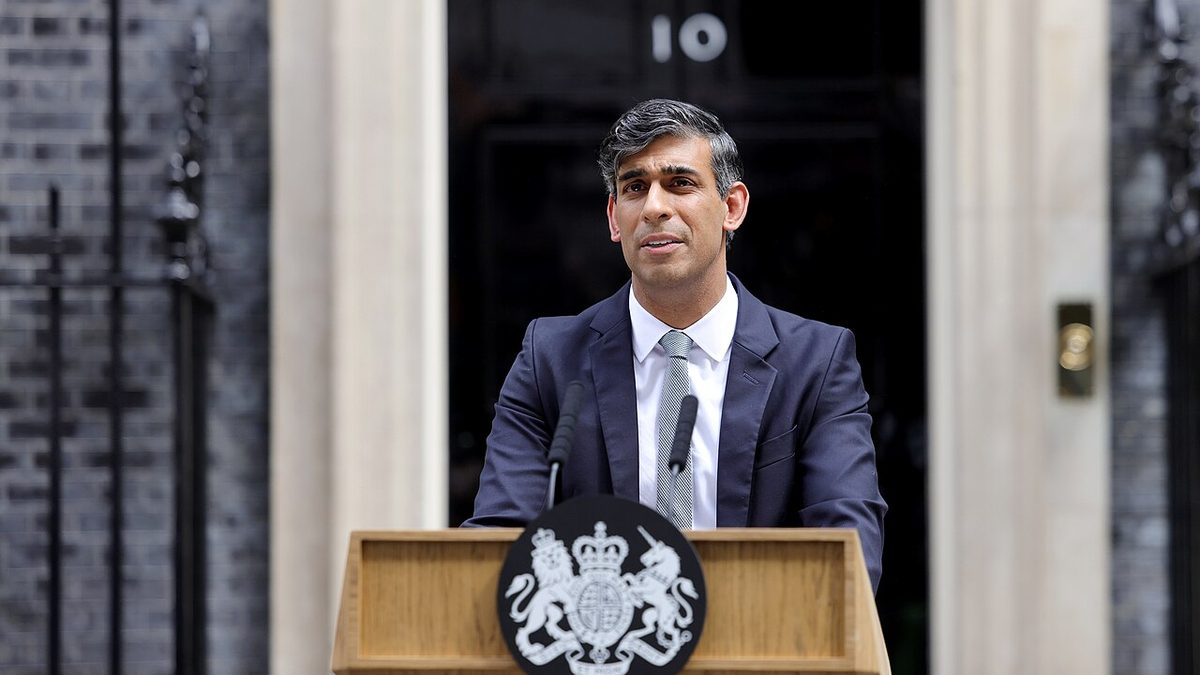
UK Budget 2026 Predictions: What John Healey Could Announce on 28 October
Next Wednesday, John Healey will stand at the dispatch box with the hardest first Budget any chancellor has faced in almost twenty years. Six days out, and one prediction is doing the rounds in the City with unusual confidence: the banks are about to pay.
Multiple reports — first broken by the Guardian, now echoed across the financial press — say Healey is poised to target the banking sector in his 28 October Budget to help repair public finances battered by the war in the Middle East. The most likely weapon: restoring the bank surcharge on profits to 8%, reversing the cut to 3% made under the last government. That alone would raise upwards of £2 billion a year.
The politics are easy to see. The big four — HSBC, NatWest, Barclays and Lloyds — made about £15 billion in the first six months of this year, and together have generated roughly £200 billion in pre-tax profits over five years. TUC general secretary Paul Nowak puts it more bluntly: "Britain's big four banks are making a billion pounds a week, while bonuses have hit a post-crash record." In a Budget where Healey has promised not to raise income tax, VAT or employee National Insurance, banks are one of the few doors still open.
Budget 2026 predictions: what tax changes are expected
The bank tax is the headline, but it is not the only move being briefed. The Times reports the bank tax will be the Budget's biggest "revenue raiser", funding a targeted, temporary package of cost-of-living support.
Other measures in the frame: a crackdown on mainly foreign sellers abusing lax rules to avoid VAT on online marketplace sales, expected to raise up to £1 billion, with the proceeds used to cut business rates for high-street shops. An extension of the "Your First Home" support scheme for buyers with small deposits. And making online marketplaces responsible for VAT their sellers owe.
What is not happening is almost as telling. Healey has rejected calls — including from allies of the Prime Minister — to raise capital gains tax on second homes and shares, after warnings it could drive wealthy individuals abroad or freeze asset sales. The manifesto locks on income tax, National Insurance and VAT stay in place.
Why the IMF says don't tax the banks
Not everyone is cheering the bank raid. The International Monetary Fund has publicly urged Healey to look elsewhere. Helge Berger, deputy director of the IMF's European department, said in Bangkok that the UK should prioritise spending restraint and other taxes: "Removing the triple lock, better targeting social benefits" before touching bank levies. With tax revenue at a historically high 40% of the economy, Berger argued, more headroom should come from modernising property taxes and broadening VAT.
Enjoyed this guide?
Britain Daily is an independent publication. Every guide is researched, written and carefully edited, and kept free forever. If this saved you time or made your life easier, please don't let the effort go unnoticed — support our work with whatever you can, from $1 upward. Every dollar keeps the guides coming.
💛 Donate via PayPalThe City's warning is sharper. Former Conservative chancellor Jeremy Hunt, writing in The Times, said raising bank taxes would mean "less investment, lower growth and fewer jobs" — and could even backfire on revenue. UK Finance, the banking lobby, says an increase would "weaken the UK's competitiveness, discourage investment and job creation". Former Bank of England chief economist Andy Haldane expects "a Budget for the backbenchers" rather than one for business or the bond markets.
The market has already voted with its feet: shares in NatWest and Lloyds — the two lenders analysts say are most exposed to a surcharge rise — fell 1.2% and 0.9% respectively when the reports landed.
What to watch on 28 October
The deeper story is Healey's shrinking room to move. A global bond rout has nearly halved his fiscal headroom — from about £23.6 billion at the Spring Statement to roughly £13 billion, according to Pantheon Macroeconomics. Public debt has passed £3 trillion. Bailey, the Bank of England governor, has warned the government must convince markets its plans are affordable.
Challenger banks are lobbying for one concession: raising the profit threshold for the surcharge from £100 million to £500 million, shielding smaller lenders focused on small-business credit. Whether that lands will tell you a lot about how carefully Healey wants to aim this.
So who pays on 28 October? The smart money says: the banks, mostly; foreign VAT-dodgers, definitely; and through frozen thresholds and fiscal drag, quite a lot of the rest of us, quietly. Healey calls it moving "money and power out of Westminster, and into every postcode around Britain". The City will be watching the bond market's reaction before the speech is even over.
Sources
- The Times: Budget 2026 predictions — what tax changes can we expect?
- The Times: IMF warns Healey against increasing bank taxes in budget
- The Guardian (via ExecReview): John Healey poised to raise taxes on banks in budget
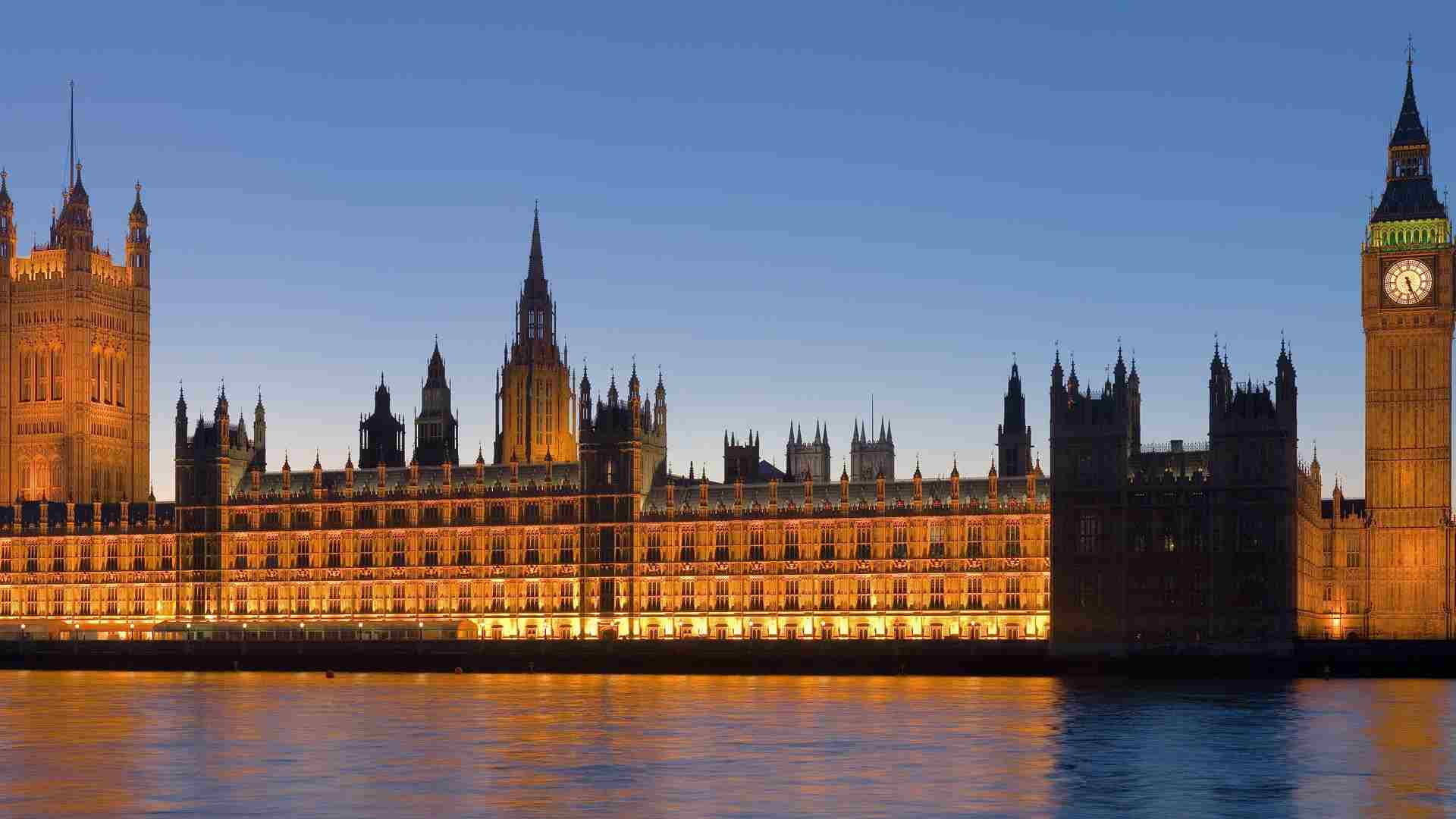
Photo: Palace of Westminster, London — Diliff, CC BY-SA 2.5, via Wikimedia Commons.
Enjoyed this guide?
Britain Daily is an independent publication. Every guide is researched, written and carefully edited, and kept free forever. If this saved you time or made your life easier, please don't let the effort go unnoticed — support our work with whatever you can, from $1 upward. Every dollar keeps the guides coming.
💛 Donate via PayPal