UK GDP August 2026: Economy Grows 0.1% Against Expectations — What Today's Figures Mean Ahead of the Budget
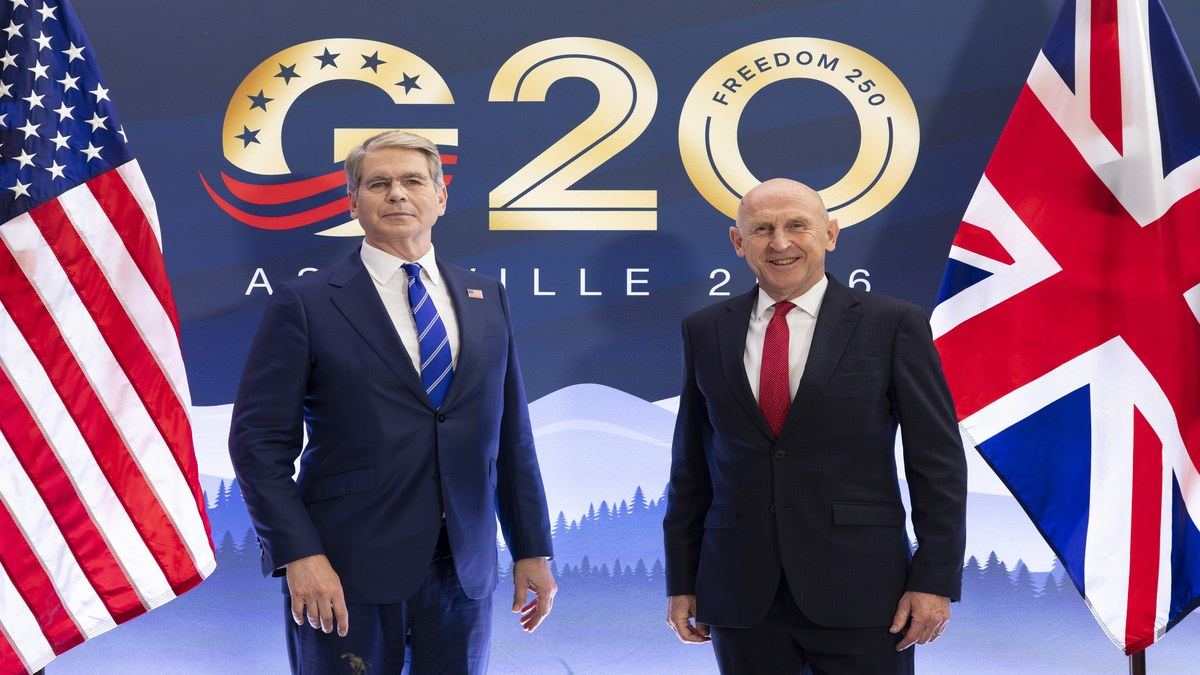
Photo: file photo of Chancellor John Healey at the G20 finance ministers' meeting, August 2026 — taken before today's GDP figures were published. Credit: Kirsty O'Connor / HM Treasury via Wikimedia Commons (Open Government Licence v3.0).
The number on the screen this morning should have been bad. Economists polled by Reuters had expected the UK economy to shrink by 0.1% in August. Instead, the Office for National Statistics reported 0.1% growth — a tiny figure, yes, but one that changes the mood music completely with the Chancellor's first Budget just 13 days away.
I've covered enough of these monthly releases to know that a single 0.1% reading doesn't mean much on its own. Monthly GDP is famously volatile and often revised. But this one matters because of the timing, and because of what was doing the lifting: British factories. Manufacturing output rose 1.2% in August, powered by pharmaceuticals, while production overall grew 0.8% — its fastest rate in nine months, according to the ONS.
What the August GDP figures actually say
Strip out the headlines and the picture is mixed, as it usually is. The services sector — the giant that makes up roughly four-fifths of the economy — was flat in August after strong growth in June and July. Construction fell 0.2% as high mortgage rates kept weighing on housebuilding and repairs. Bar and restaurant spending dropped 2.7% in the month, a sign that households are watching their pennies.
But step back a quarter and it looks healthier. Across the three months to August, GDP grew 0.7%, up from 0.5% in the three months to July. ONS director of economic statistics Liz McKeown said growth "showed further strength in the latest three months," led by services — even though services stalled in August itself. June's figure was also revised up, from 0.3% to 0.4%.
Not everyone was popping champagne. Jonathan Raymond, an investment manager at Quilter Cheviot, noted that monthly GDP is volatile and subject to revisions — but added that there were reasons to be hopeful.
Why John Healey needed this number
The political context is everything here. Healey landed in Bangkok this week for the annual meeting of the IMF, and the global watchdog has just handed him some cover: it upgraded its UK growth forecast for 2026 from 1% to 1.3% and said Britain was seeing "a bit of a better growth prospect" than other G7 nations, according to managing director Kristalina Georgieva.
The Chancellor called today's figures "welcome news." Standing in Bangkok, he said the IMF's backing showed the UK stands out on growth "despite the deep economic shocks that are affecting worldwide at present," and promised to "stay the path" as he prepares the Budget for 28 October.
Enjoyed this guide?
Britain Daily is an independent publication. Every guide is researched, written and carefully edited, and kept free forever. If this saved you time or made your life easier, please don't let the effort go unnoticed — support our work with whatever you can, from $1 upward. Every dollar keeps the guides coming.
💛 Donate via PayPalShadow chancellor Andrew Griffith was having none of it. He said Healey "must tackle both problems in the budget by getting Britain drilling and dealing with out-of-control welfare spending" — warning that if the Chancellor "reaches for more tax rises instead, he is choosing slower growth and working people will pay for it."
What it means for your money
Honestly? In the short term, not a great deal directly. These figures describe August, which already feels like a different world. But there are signals worth watching.
First, the pound jumped 0.4% against the US dollar after the release, while yields on UK government bonds fell — markets read the numbers as reassuring.
The risks haven't gone anywhere. The IMF expects inflation to hit 3.3% this year — joint second-highest in the G7 — and the Bank of England has warned it could top 4% in the first months of 2027 when the energy price cap rises again. And the trade picture is worsening: the goods deficit widened by £2.5 billion to £59.1 billion in the three months to August.
So: a welcome surprise, not a turning point. Growth of 0.1% won't put money in anyone's pocket by Christmas. But it does mean the Chancellor walks into his Budget with a slightly easier story to tell — and for a government whose entire pitch is fixing the economy, that counts for a lot.
Watch: the economy in context
BBC News on the IMF's upgraded UK growth forecast — published 14 October 2026, the day before today's ONS release.
The Office for National Statistics explains how UK GDP is measured and what's changed in the latest national accounts data.
Sources
- Office for National Statistics: GDP monthly estimate, UK: August 2026
- PA News via The Oldham Times: UK economy unexpectedly grows 0.1% in August
- FXStreet: UK economy "ekes out" 0.1% growth but outlook remains challenging
- The Scottish Sun: Economy grew just 0.1% in bad news for Burnham ahead of the Budget
Enjoyed this guide?
Britain Daily is an independent publication. Every guide is researched, written and carefully edited, and kept free forever. If this saved you time or made your life easier, please don't let the effort go unnoticed — support our work with whatever you can, from $1 upward. Every dollar keeps the guides coming.
💛 Donate via PayPal