Inflation Hits 3.5% — Highest in Nearly a Year — Days Before Healey's First Budget
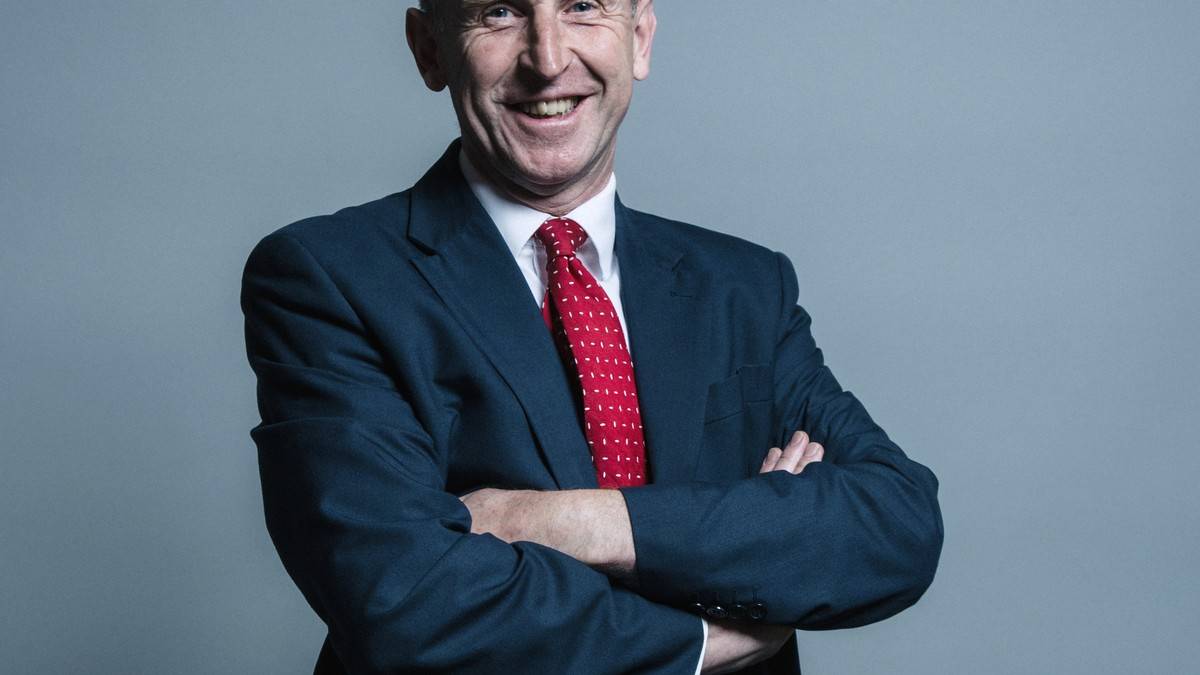
Seven days. That is all John Healey has before he stands up in the Commons to deliver his first Budget — and this morning the numbers landed like a bucket of cold water. Inflation is back up, borrowing has overshot, and the national debt has crossed £3 trillion for the first time in history.
The Office for National Statistics confirmed on Wednesday that consumer price inflation hit 3.5 per cent in the twelve months to September, up from 3.1 per cent in August. Economists polled by Reuters had expected 3.4 per cent. The Bank of England, in its July forecasts, had pencilled in 3.0. Both were wrong, and not in a good way. It is the highest reading in eleven months — and the highest this year.
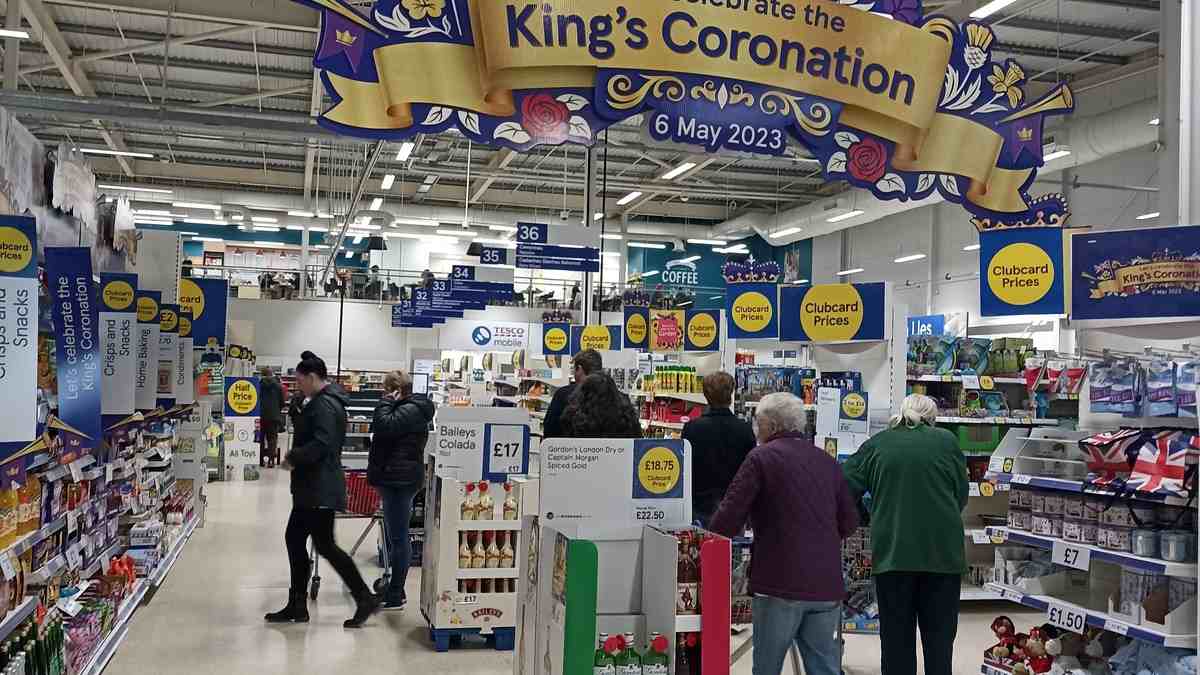
The culprit will surprise no one who has filled up a car lately. Petrol and diesel prices drove the jump, as the energy shock from the Gulf conflict — now grinding into its ninth month — keeps feeding through to forecourts. Britain, with its heavy reliance on imported natural gas, has been hit harder than most Western economies. The pain at the pump is now the pain in the statistics.
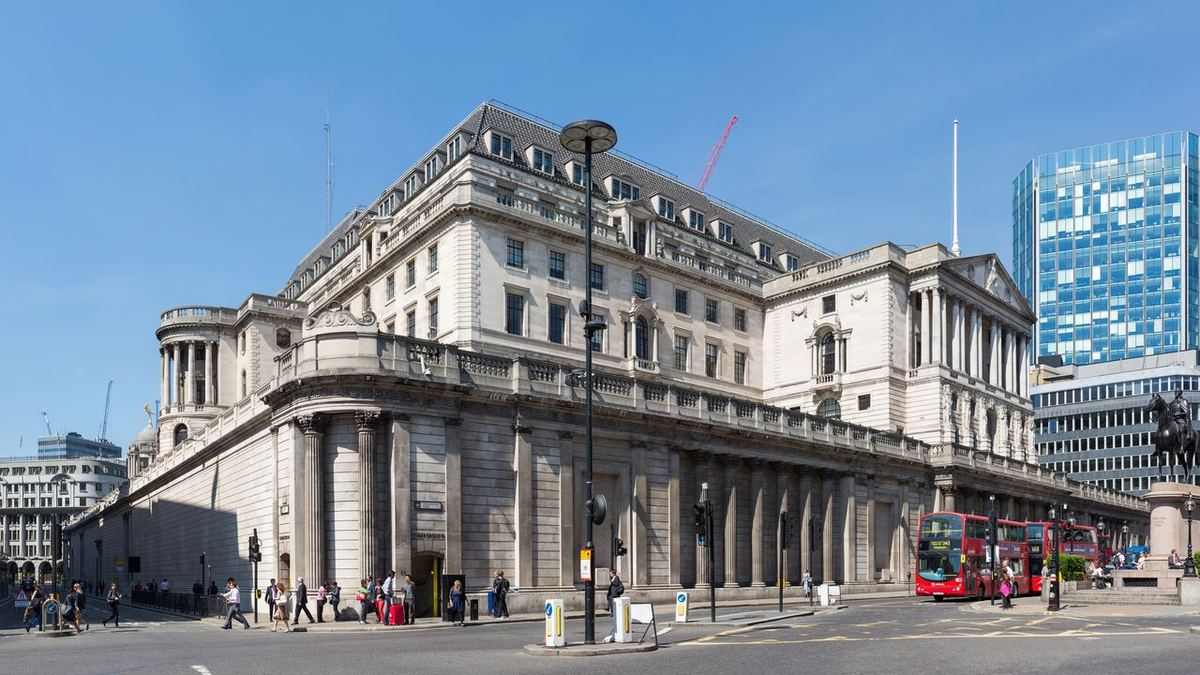
And it is not just fuel. The figures the Bank watches most closely are moving the wrong way too. Services inflation — the Bank's preferred gauge of homegrown price pressure — jumped to 3.7 per cent from 3.4, above the 3.6 economists expected. Core inflation, which strips out food, energy, alcohol and tobacco, picked up to 2.8 per cent from 2.6. When underlying pressure accelerates like that, Threadneedle Street starts reaching for the rate lever. The case for a Bank rate rise in November just got a lot stronger, which is grim news for anyone remortgaging this autumn.
The borrowing figures are arguably worse
If inflation was the bad headline, the public finances were the worse paragraph. The government borrowed £24.5 billion in September alone — up from £17.3 billion in August and above the £23.9 billion analysts expected. Between April and September, borrowing reached nearly £100 billion, £6 billion more than the Office for Budget Responsibility forecast back in March.
Enjoyed this guide?
Britain Daily is an independent publication. Every guide is researched, written and carefully edited, and kept free forever. If this saved you time or made your life easier, please don't let the effort go unnoticed — support our work with whatever you can, from $1 upward. Every dollar keeps the guides coming.
💛 Donate via PayPalThen the milestone nobody wanted: public debt has topped £3 trillion for the first time. To be fair to the Treasury, debt as a share of the economy is actually lower than a year ago. But the interest bill tells its own story — the government paid £10.9 billion just in debt interest in September, the highest amount for that month since records began in 1997, and up from £8.9 billion the month before.
That is the context for next week's Budget. The OBR's new forecasts, published alongside it, are widely expected to show debt interest spending topping £100 billion every single year until at least the 2030s — more than the entire education budget. Healey is expected to raise taxes on banks to plug the hole, with the fiscal headroom he inherited steadily eaten away by the Middle East war. A week out, his room for manoeuvre looks painfully thin.
What it means for your money
Here is the part that actually lands in people's pockets. September's inflation figure is the one used to uprate most benefits next April — so expect those to rise by 3.5 per cent. And the triple lock means pensioners get the better deal: average earnings growth of 3.9 per cent (May to July) beats both inflation and the 2.5 per cent floor, so the state pension should rise by around £488 a year from April 2027, taking the full annual payment to roughly £13,036.
For mortgage holders, the direction is less friendly. If the Bank does lift rates in November — and after this morning, the money markets will be pricing it in — the relief borrowers have been hoping for gets pushed further away.
Strip away the jargon and this is what Wednesday really was: a reminder that the cost-of-living crisis never properly ended, it just changed shape. Fuel prices driven by a distant war, debt interest at record levels, and a Chancellor with seven days to find answers. The Budget on the 28th just became the most important political event of the autumn. It was already going to be.
Sources
- The Times — UK inflation and borrowing hit highest level this year (21 October 2026)
- Reuters — UK inflation jumps to highest in nearly a year at 3.5% (21 October 2026)
- The Sun — Inflation soars to highest level this year in blow to Labour days ahead of the Budget (21 October 2026)
Enjoyed this guide?
Britain Daily is an independent publication. Every guide is researched, written and carefully edited, and kept free forever. If this saved you time or made your life easier, please don't let the effort go unnoticed — support our work with whatever you can, from $1 upward. Every dollar keeps the guides coming.
💛 Donate via PayPal